Players · 2026-05-18 · By Spud
The art of fast bowling, explained
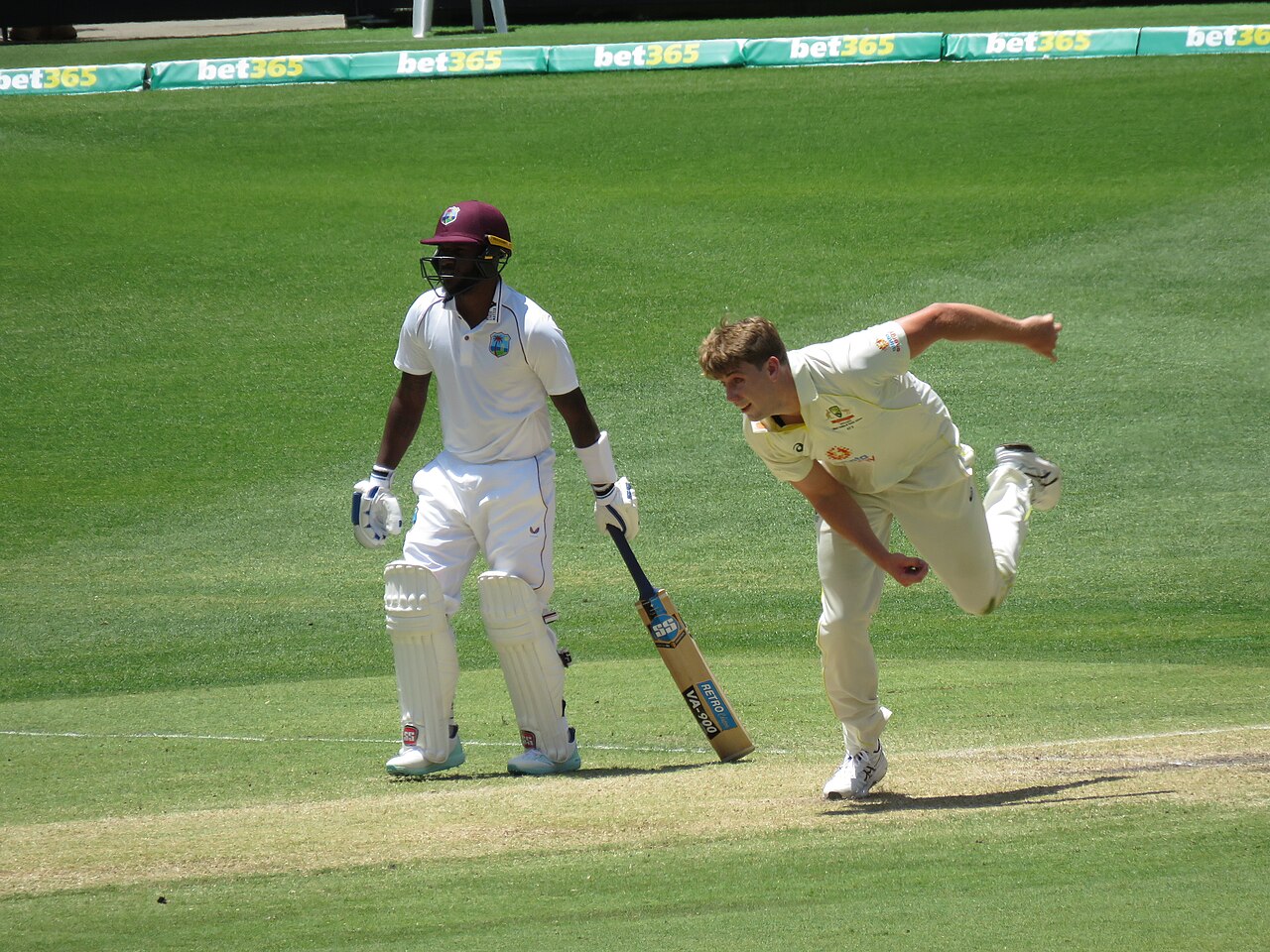
Few sights in cricket are as thrilling as a genuine fast bowler in full flow: the long run-up, the leap at the crease, and the ball spearing down at a batter with barely time to react. Fast bowling is the sport at its most primal, but behind the raw speed lies a subtle craft. The best quicks are not just fast; they are thinkers who set traps and spring them.
Pace: the foundation
Speed is the obvious weapon. A ball delivered quickly gives the batter less time to judge length, line and movement, and the very fastest bowling can be genuinely intimidating. But pace alone is rarely enough at the top level. Batters can play raw speed if it is straight and predictable; what makes fast bowling deadly is pace combined with movement and control. The fastest bowlers who also swing or seam the ball, and who can land it where they want, are the ones who win matches.
Pace also brings bounce. A tall fast bowler who hits the pitch hard can make the ball rear up at the batter's gloves and chest, cramping strokes and forcing errors. Bounce is a weapon in its own right, and bowlers who can extract it from flat pitches are especially prized.
Swing: bending it through the air
Swing is the art of curving the ball in flight. By holding the ball with the shiny side on one side and the seam angled, a bowler can make it drift late through the air, beating a batter who has committed to a shot. Conventional swing tends to work best when the ball is fairly new and the conditions are right — heavy air and a well-kept shine. There is also reverse swing, a more mysterious skill that can appear when the ball is older and roughed up, curving it the opposite way and often at speed, which is why it is so dangerous in the closing overs.
A bowler who can swing the ball both ways, while keeping the batter guessing about which way it will go, possesses one of the great weapons in the game.
Seam: movement off the pitch
Where swing happens in the air, seam movement happens off the surface. If the ball lands on its seam, it can dart sideways unpredictably, beating the bat by a fraction. Seam bowling rewards accuracy and patience: by hitting a good length over and over, a bowler invites the pitch to do the work, and on a helpful surface even a small deviation is enough to find the edge.
The yorker and the bouncer
Beyond movement, fast bowlers carry two signature deliveries. The yorker is aimed at the batter's feet, full and fast, designed to sneak under the bat and hit the stumps or trap the batter in front. It is the death-overs weapon of choice in the short formats, because it is almost impossible to hit for six when pitched perfectly — and almost as hard to land under pressure. The bouncer, by contrast, is dug in short to fly at the batter's head, a test of nerve as much as technique, used to unsettle a batter and set up the fuller ball that follows.
Setting a batter up
The real artistry of fast bowling lies in how these tools are combined. A great quick rarely bowls in isolation; each ball is part of a plan that may stretch across an over or a spell. A bowler might pin a batter back with a couple of short ones, then slip in a fuller, swinging delivery that the batter, expecting more pace and bounce, drives loosely and edges. Or he might tempt a batter into the same shot again and again before subtly changing the length to induce the mistake.
This cat-and-mouse element is what makes a spell of fast bowling so absorbing once you know what to look for. Watch how a bowler probes for a weakness, how a field is set to encourage a particular stroke, and how the trap is finally sprung. The wicket, when it comes, is often the result of three or four deliveries of careful preparation.
Why fast bowling captivates
Fast bowling captivates because it combines athletic drama with a chess-like contest of plans. The physical spectacle — the speed, the bounce, the sheer effort of hurling a ball at extreme pace, over after over — is gripping in itself. But the deeper pleasure comes from understanding the craft beneath it: the swing, the seam, the changes of pace and length, and the patient setting of traps.
It is also one of the hardest disciplines in sport. Fast bowlers endure enormous physical strain, and the very best maintain their speed, accuracy and cunning for spell after spell, match after match. To do all that while out-thinking the world's best batters is a rare and demanding art — and one that makes the fall of a wicket to a great fast bowler one of cricket's most satisfying moments.
Curious how well you know the quicks from the spinners? In Guess the Cricketer on crickedle, the bowling-style tile rewards exactly that knowledge — a yellow tile means you found the right family of bowler.
The price of pace
It is worth remembering what fast bowling costs the men and women who do it. Every delivery sends a shock through the body, and a long career of hurling a ball at extreme speed takes a real physical toll, which is why fast bowlers are so carefully managed and so often rotated between matches and formats. That fragility only adds to the drama: a great quick in full rhythm is a fleeting, precious thing, and fans learn to savour a hostile spell while it lasts. When a fast bowler is on song — swinging the new ball, hurrying the batter, landing the yorker at will — there are few more compelling sights in sport, and knowing the craft and the cost behind it makes those passages of play all the more thrilling to watch.
The six deliveries every quick needs
A fast bowler who only bowls fast is a fast bowler who gets driven. Pace buys time and forces errors, but variety is what earns wickets on flat pitches. The stock ball is the one that runs away from the right-hander just short of a length — the delivery that squares a batter up and finds the edge. From that base, the great quicks build a repertoire.
The outswinger is the classical wicket ball: pitched full, shaping away late to draw the drive and take the outside edge. The inswinger does the opposite, curving in to trap the batter in front or crash into off stump — Wasim Akram's stock weapon. The bouncer is as much a psychological tool as a wicket-taking one; it drives the batter back, sets up the fuller ball, and reminds them that the crease is not a safe place. The yorker, aimed at the base of the stumps or the toes, is nearly unhittable when it lands — the death-overs specialist's best friend. Then there is reverse swing, the art of making an old ball talk, and the slower ball, a change of pace disguised in the same action that has ended countless T20 innings.
Reading the conditions
Fast bowling is a conversation with the pitch, the ball and the sky. A new ball with a proud seam swings and seams for the first ten overs; a scuffed old one, kept dry on one side, can reverse in the last ten. Overcast skies and heavy air help conventional swing, which is why English seamers pray for cloud cover. Hard, bouncy surfaces in Australia and South Africa reward back-of-a-length banging; low, slow subcontinent pitches force quicks to pitch it up and hunt swing or reverse. The bowlers who travel best — the McGraths, the Steyns, the Bumrahs — are the ones who adjust their length by a metre and their plans by a session, rather than bowling the same ball in Perth that they bowled in Pune.
What it costs the body
No skill in cricket is harder on the body. At delivery a fast bowler's front leg absorbs a braking force several times their body weight, over and over, for spells that can last an hour. Stress fractures of the lower back, side strains and knee problems are occupational hazards, and workload management — resting quicks between formats, capping overs in a spell — has become a central part of modern selection. It is why genuine pace is rare and precious: the list of bowlers who can sustain 145 kph for a decade is very short, and every one of them is a study in strength, timing and durability.
Fancy a challenge? crickedle is a free daily cricket guessing game with six modes — a new puzzle every day.
Play today's puzzle →