Players · 2026-07-01 · By Spud
The art of opening the batting
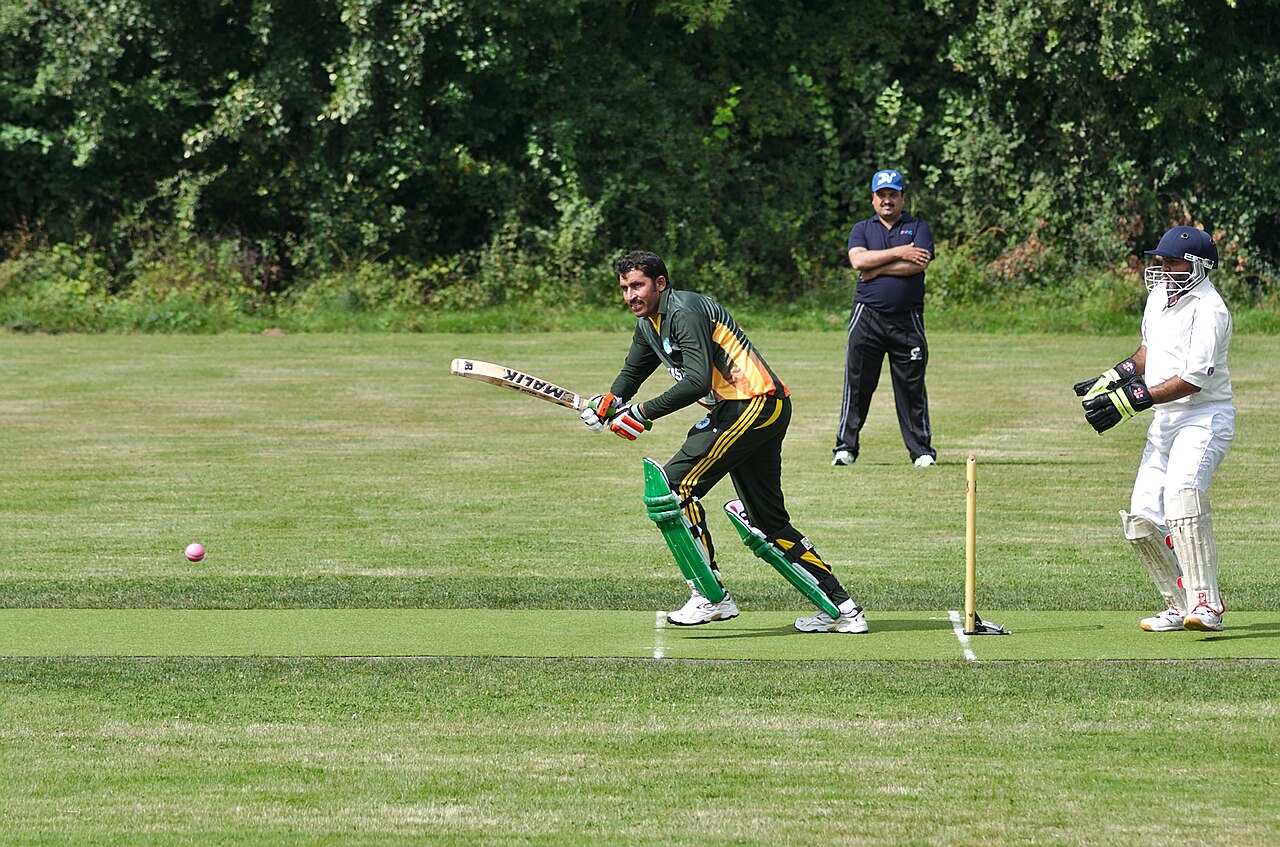
The first ball of an innings is the hardest to face. The ball is brand new — hard, shiny and moving more than at any other time — the bowlers are fresh and fast, and the whole match stretches out unwritten. The two openers walk out to meet all of this before anyone else, and how they cope shapes everything that follows. Opening the batting is one of cricket's most demanding and least glamorous jobs, and doing it well is a craft all of its own.
The hardest hour in cricket
There is a reason openers are a distinct breed. In the first hour of an innings the conditions are stacked against the batter. The new ball is at its hardest and shiniest, which makes it swing through the air and seam off the pitch far more than a ball that has been in play for a while. The bowlers are at their freshest, running in with full pace and rhythm. The pitch may still have early moisture that helps the quicks. And the fielding side is at its most alert, sensing that early wickets can define the game.
Facing all of this is the opener's lot. They do not get to walk in when the ball is old and the bowlers are tiring; they meet the storm head on. Surviving that first hour — seeing off the new ball, blunting the fresh bowlers, taking the sting out of the conditions — is the single most valuable thing an opener can do, because it hands the rest of the order a far easier task.
Temperament: the first requirement
Ask experienced players what makes a good opener and technique is rarely the first word. Temperament comes first. Opening the batting is an exercise in patience, discipline and mental toughness, and a player who cannot leave a ball alone or curb their instincts will not last, however gifted they are.
The core mental skill is the willingness to do very little. An opener must resist the temptation to score off every ball, leaving deliveries outside off stump alone, defending the good ones, and waiting for the loose ball to punish. This requires enormous concentration and a cool head, because the pressure to get moving is constant and the margin for error is tiny. A good opener treats their wicket as precious in those early overs, understanding that survival is worth more than quick runs, and that the score will look after itself once the new ball is seen off.
There is courage in it, too. Facing genuine pace with a hard new ball, knowing a single mistake ends the innings, demands nerve. The best openers have a stubbornness bordering on defiance — a refusal to give the bowlers what they want — and that mental resilience is the foundation on which everything else is built.
Seeing off the swing and seam
The specific challenge of the new ball is movement. Swing curves the ball through the air, and seam darts it off the pitch, and in the first overs both are at their most pronounced. An opener must be equipped to deal with a ball that may deviate late in either direction, sometimes by a considerable margin.
The chief weapon against movement is the art of leaving the ball. A good opener judges line and length superbly, knowing which balls will pass harmlessly by and letting them go, refusing to chase deliveries that are moving away outside off stump. Every ball left alone is a small victory: it denies the bowler a chance, tires them out, and helps take the shine off the new ball so that it moves less. Judging what to leave and what to play is perhaps the defining skill of opening, and it is far harder than it looks when the ball is swinging late.
When they do play, openers keep their strokes tight and close to the body, playing the ball late and under their eyes rather than reaching for it. They tend to favour deliveries they can hit straight or work off their legs, where the risk of an edge is lower, and they are wary of driving loosely at a moving ball early on — the very shot that so often brings an opener's downfall.
A tight, dependable technique
Because the conditions are so unforgiving, opening the batting rewards a compact, well-organised technique above flashy stroke play. An opener needs a solid defensive game they can trust when the ball is doing plenty: a straight bat, soft hands to drop the ball down safely, and a head that stays still and over the ball.
Footwork is central. Against the moving ball an opener must get well forward to smother swing before it can deviate, or right back to give themselves time against the shorter, faster stuff. Decisive movement — committing fully forward or fully back rather than getting caught in between — is what separates a secure opener from a vulnerable one. The classic openers are those whose defence looks watertight, who seem to have all the time in the world, and who make the difficult business of facing the new ball look almost serene.
None of this means openers cannot score. The best have a full range of strokes and can punish anything loose. But their scoring is built on a rock-solid defensive base, and they know when to attack and when simply to survive — a judgement that comes from reading the conditions and the state of the game ball by ball.
Building the platform
The ultimate purpose of opening the batting is to lay a platform. If the openers can see off the new ball and post a solid start without losing early wickets, they hand the middle order an innings full of possibility: an old ball, tiring bowlers, an easier pitch, and the freedom to build a big total. A good opening stand is the foundation on which large scores are constructed.
This is why an opener's contribution is often worth more than the runs alone suggest. A patient, unbeaten start that blunts the new ball can be more valuable than a flashy quick-fire cameo that ends in a soft dismissal, because it protects the batters to come and sets the innings on a stable footing. Openers who understand this — who are content to do the hard, unglamorous graft so that others can flourish later — are the quiet cornerstones of a strong batting side.
The different demands of the formats
Opening looks different across cricket's formats, and the best openers adapt. In the longest form, the premium is on occupation: surviving session after session, wearing down the bowlers, and batting time so that runs accumulate and the opposition is ground down. Patience and endurance are everything.
In the shortest formats the calculus shifts. With fielding restrictions in the early overs and a limited number of deliveries, openers are often asked to attack the new ball, taking advantage of the gaps in the field to score quickly while accepting more risk. Yet even here the fundamentals hold: an opener who is dismissed cheaply hands the bowlers an early breakthrough at the worst possible time, so the judgement of when to attack and when to consolidate remains vital. The finest openers read the situation and adjust their game to it, whatever the format demands.
The opening partnership
Opening is rarely a solo endeavour. The two openers work as a pair, and a settled, understanding partnership is one of the most valuable assets a batting side can have. Good opening partners communicate constantly — calling clearly for runs, judging quick singles safely, and reading each other's intentions so that neither is run out through a misunderstanding. Sharp, trusting running between the wickets is a partnership skill, and it lets openers rotate the strike, deny the bowlers a settled target, and keep the score ticking even when boundaries are hard to come by.
The best pairs also complement one another. Often one opener is the anchor, content to occupy the crease and see off the new ball, while the other is a touch more aggressive, taking the chance to score when the bowling errs. Together they share the load: when one is under pressure, the other can shield them by taking the strike against the most dangerous bowler, and their combined experience helps them read the conditions and plan how to see off a particular attack. A great opening partnership is more than the sum of two players; it is a small unit within the team, built on trust and a shared understanding of the job.
The unglamorous cornerstone
Opening the batting rarely gets the acclaim it deserves. The hard graft of seeing off the new ball happens early, before the crowd has settled, and its value only becomes obvious later when the middle order cashes in on the platform it was given. But those who know the game understand that the opener's job is one of the most difficult and important in cricket, and that a great opening pair is worth its weight in gold.
The best openers combine watertight technique with iron temperament and a selfless understanding of their role. They take the hardest the game can offer — the new ball, the fresh bowlers, the moving conditions — and blunt it, so that others can prosper. Once you appreciate what they are up against in that first hour, you watch the opening overs of an innings quite differently: not as a slow prelude, but as the tense, skilful contest that so often decides the match.
Fancy testing how well you know your batters from your bowlers? Try Guess the Cricketer on crickedle, where a player's role and batting hand are among the clues — and see how sharp your instincts really are. When you are ready for more, the daily puzzles at crickedle are waiting.
Fancy a challenge? crickedle is a free daily cricket guessing game with six modes — a new puzzle every day.
Play today's puzzle →