Players · 2026-06-13 · By Spud
What makes a great wicketkeeper
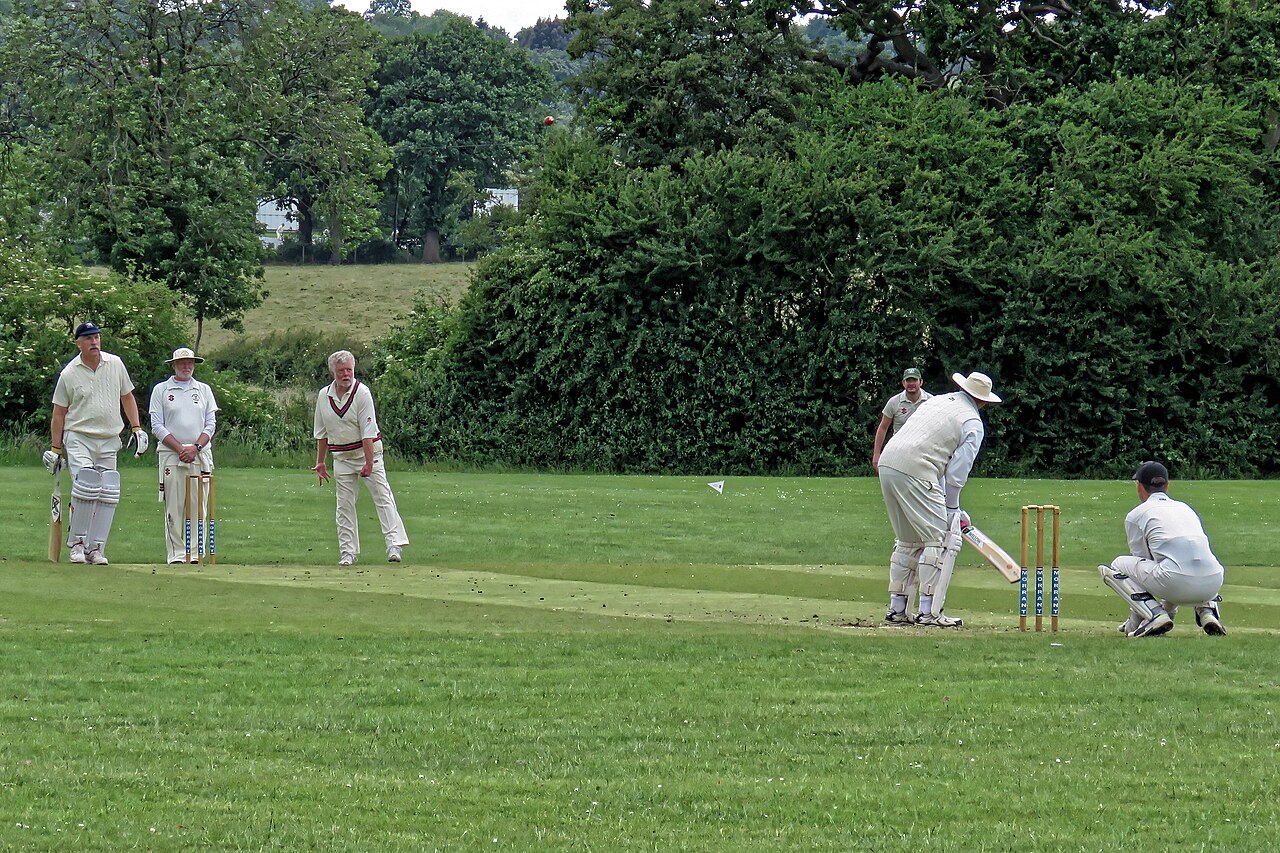
Every fielder in a cricket team roams and rotates, but one player has a fixed home behind the stumps and never leaves it. The wicketkeeper crouches for every single ball of the innings — often several hundred of them in a day — ready to take deliveries the batter misses, snap up the faintest edge, and complete a stumping in the blink of an eye. It is the most physically relentless and technically exacting role on the field, and a great keeper can quietly hold an entire side together.
The only specialist position
Cricket has no fixed fielding positions except one. The captain can move ten of their fielders anywhere on the ground, ball by ball, but the wicketkeeper is always in the same place: directly behind the stumps at the batter's end, gloved and padded, watching every delivery from the moment it leaves the bowler's hand. That constancy is the first thing that sets the role apart. While a slip fielder might go an hour without a chance, the keeper is engaged on every ball, and a lapse of concentration is punished instantly and visibly.
The gloves are the badge of office. A wicketkeeper is the only player allowed to wear them, along with the external leg-guards that let them get behind the fastest bowling. Everything about the equipment is designed for one purpose: to take the ball cleanly, again and again, in every situation the game can throw up.
Standing back to the quicks
Against fast bowling, the keeper stands well back — often many metres behind the stumps — so that the ball has lost some of its ferocity by the time it arrives and can be taken at a comfortable height. This is the more athletic side of the job. Standing back, the keeper must cover a huge amount of ground, diving full length to their left or right to hold edges that fly off the bat at pace, and reacting to sudden, late deviation off the seam.
The craft here is in the movement. A good keeper does not lunge; they glide, taking small preparatory steps as the ball is delivered and then moving smoothly into line. They watch the ball onto the gloves rather than snatching at it, giving with the hands to cushion the impact so the ball sticks. When a batter feathers a fast delivery down the leg side — one of the hardest chances in the game, because the keeper is moving blind across the batter's body — a great gloveman makes the improbable look routine.
Standing up to the stumps
The other, and in many ways harder, discipline is standing up to the stumps against the slower bowlers, and occasionally against the medium-pacers too. Here the keeper crouches right up behind the bails, inches from the batter, taking the ball almost as soon as it has passed the bat. There is no room for error and no time to react: the ball can turn, bounce or deviate at the last instant, and the keeper must take it cleanly while being ready to whip off the bails in the same motion.
Standing up is a statement of intent. A keeper up to the stumps denies the batter any chance to leave the crease, because the smallest overbalance will be met by a lightning stumping. It pressures the batter's footwork, keeps them pinned in their crease, and works hand in glove with a spinner trying to tempt them forward. To do it well demands soft hands, superb balance and nerveless courage — the batter is swinging a bat a few feet from the keeper's face. When you see a wicketkeeper standing up to a bowler, it is worth watching closely: it is one of the purest tests of skill in the sport.
Footwork, hands and the art of taking cleanly
Beneath both disciplines lies a foundation of footwork. Keeping is often described as a lower-body skill disguised as an upper-body one — the hands take the catch, but the feet put the hands in the right place. A keeper who moves well is always balanced, always taking the ball under their eyes rather than reaching for it, and always able to adjust to the unexpected.
The hands themselves must be soft and sympathetic. A tense keeper snatches and spills; a relaxed one lets the ball come and gives with it. The best glovework looks almost lazy, because the keeper has done all the hard work with their feet before the ball arrives. Add to this the endurance required — hundreds of squats a day, in heat and fatigue, holding concentration on every ball — and it becomes clear why keeping is regarded as one of the most demanding jobs in team sport.
The keeper as the eyes of the team
A wicketkeeper sees the game from a unique vantage point: square on to the pitch, closest to the action, watching every ball land and deviate. This makes them the natural on-field lieutenant of the side. A sharp keeper reads the pitch better than anyone — noticing which deliveries are gripping, which are keeping low, how the surface is changing — and feeds that information to the captain and the bowlers.
They also drive the team's energy. A vocal, upbeat keeper chatters between deliveries, lifts flagging fielders, and helps a bowler stay in rhythm. Much of a fielding side's body language flows from the keeper, and a good one sets a tone of alertness and belief that spreads through the whole eleven. It is no accident that many captains have come from the keeping fraternity: no one has a better view of the match, or a better feel for its rhythms.
Reviews and the DRS call
The modern game has added a new dimension to the keeper's job: the decision review. When a fielding side thinks an umpire has made a mistake, it can call for a review, but only within a few seconds and with a limited number to spend. The keeper, positioned right behind the stumps, is central to that judgement. Did the ball flick the edge on its way through? Was that a genuine nick or bat brushing pad? Would the ball have gone on to hit the stumps?
A good keeper develops a feel for these moments — hearing the fine edge, sensing the height and line, judging in an instant whether a review is worth the gamble. Get it right and the side claims a wicket it would otherwise have lost; waste reviews on hopeful punts and there will be none left when a genuine howler needs correcting. This cool, quick judgement under pressure has become one of the quietly vital skills of the modern gloveman, another reason the keeper functions as the captain's closest adviser on the field.
Keeping and batting: the double burden
For most of cricket's history a wicketkeeper was picked purely for their glovework, and any runs were a bonus. That has changed. The modern keeper is expected to be a genuine batter too — often a key one — because a specialist who cannot score leaves the side effectively a batter short. A keeper who can bat gives the team enormous balance: it can field an extra bowler or an extra frontline batter without weakening either department.
This double burden is what makes the great modern keepers so valuable and so rare. To keep wicket for a full innings — squatting, diving, concentrating on every ball — and then to walk out and construct an important innings with the bat requires extraordinary fitness, focus and mental resilience. The role has quietly become one of the most demanding all-round jobs in the game, asking a player to be both a specialist craftsman and a front-rank batter.
Some of the most celebrated cricketers in history have been keeper-batters, prized precisely because they delivered in both disciplines when it mattered most. The archetype is a player who is tidy and undemonstrative behind the stumps for hours, then decisive and clear-headed in front of them — the sort of cricketer a captain builds a team around. In the shortest formats the demand is greater still: a keeper is often asked to bat aggressively at a key point in the order as well as keep tidily through the innings, so the modern gloveman must marry a specialist's precision with a front-line batter's nerve.
Think you can spot a wicketkeeper from the clues alone? In Guess the Cricketer on crickedle, a player's role is one of the tiles you unlock — and telling a keeper-batter from a specialist batter is often what turns a guess into the answer.
Why the role rewards a closer look
The wicketkeeper is easy to overlook. Their best work is invisible — the ball taken so cleanly it draws no attention, the concentration held through a long, quiet spell, the review judged correctly in a heartbeat. But once you know what to look for, keeping becomes one of the most rewarding things to watch in cricket. Notice how the keeper moves before the ball is bowled, how they come up to the stumps to pressure a batter, how they cushion a flying edge, how they marshal the field and read the pitch.
A great wicketkeeper is the still centre around which the fielding side turns — always there, always alert, doing the hardest job on the field and making it look easy. The more you understand the craft, the more you appreciate that quiet, relentless excellence, and the more a passage of keeping reveals itself as one of the game's small masterpieces.
Fancy testing your eye for who does what? Play the daily puzzles at crickedle and see how sharp your cricket instincts really are.
Fancy a challenge? crickedle is a free daily cricket guessing game with six modes — a new puzzle every day.
Play today's puzzle →