Players · 2026-06-02 · By Spud
The art of spin bowling, explained
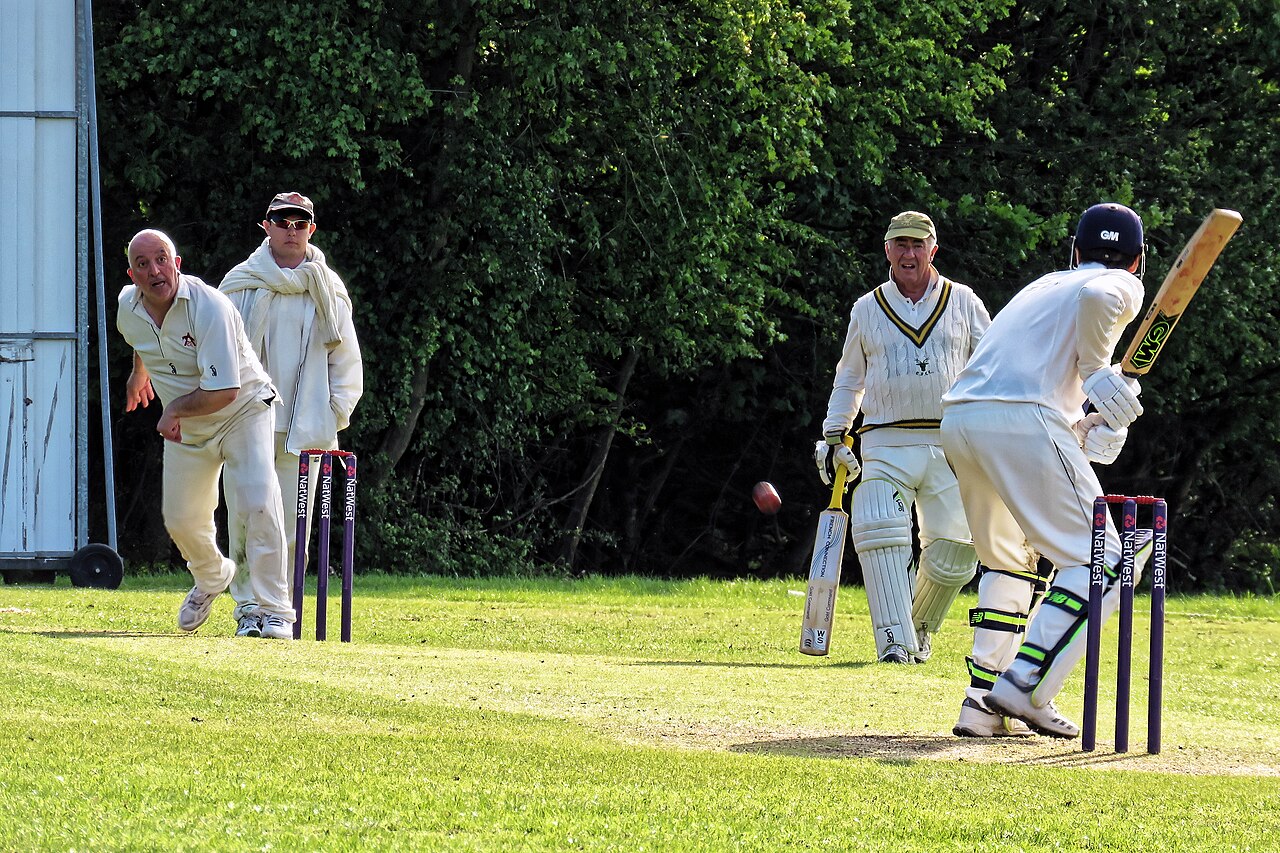
If fast bowling is cricket at its most primal, spin bowling is cricket at its most cunning. The spinner cannot bully a batter with sheer pace; instead they must deceive, tempt and out-think, winning the contest in the air and off the pitch rather than through the arm. To the newcomer a slow bowler can look almost gentle, but watch closely and you will see one of the most absorbing duels in the game — a patient chess match played one ball at a time.
Why bowl slowly at all?
The obvious question a beginner asks is why anyone would deliberately bowl slowly when the fast bowlers are trying so hard to bowl quickly. The answer is that pace is only one way to beat a batter, and often not the most reliable. By taking speed off the ball, a spinner gains two things: time and turn.
Time works in the bowler's favour because a slower ball hangs in the air longer, giving it the chance to dip, drift and tempt the batter into a mistake of judgement. Turn is the spinner's trump card — the ability to make the ball deviate sharply off the pitch, sometimes by a foot or more, in a way no seam bowler can match. On a dry, worn surface late in a match, a good spinner can be close to unplayable while the quicks toil for little reward. That is why almost every balanced attack carries at least one spinner: they offer a different kind of threat, and they come into their own precisely when the fast bowlers are tiring and the pitch is breaking up.
The revolutions on the ball
Everything a spinner does begins with the way the ball leaves the hand. Rather than pushing it out, a spinner imparts spin — revolutions — by snapping the fingers or the wrist through the delivery. The more revolutions on the ball, the more it will grip the surface and deviate off the pitch, and the more it will curve and dip through the air.
This is the hidden engine of spin bowling. Two deliveries can look almost identical to the batter, yet one has been given a hard rip of the fingers and the other rolled out more gently, and the difference in behaviour off the pitch can be enough to take a wicket. The best spinners are those who impart heavy revolutions consistently, because a well-spun ball does more in the air and off the surface, and because it lets the bowler bowl the ball that does not turn as a genuine surprise.
Flight and drift: winning the battle in the air
Much of the spinner's craft happens before the ball has even pitched. Flight is the art of tossing the ball up, using its slowness to make it dip and to invite the batter forward. A well-flighted delivery tempts a batter to drive, but dips on them at the last moment so that the ball arrives a fraction shorter and lower than expected — and the drive becomes an edge or a miscue.
Drift is the sideways cousin of dip: the ball curves through the air, often in the opposite direction to the way it will later turn. Drift is created by the revolutions on the ball working against the air, and it is one of the great subtle weapons of spin. A ball that drifts in towards the pads before spinning away towards the slips draws the batter across their stumps and can find the outside edge or beat everything. To the crowd it can look like the batter has simply misjudged a slow ball; in truth they have been undone by physics they could barely see.
The key point for a spectator is that flight and drift are not accidents. A canny spinner varies the height and pace of the toss deliberately, tempting the batter to commit early and then punishing that commitment. The bravest spinners flight the ball more, not less, accepting the risk of being hit in exchange for the chance to deceive.
Turn: making the pitch do the work
Turn is what most people picture when they think of spin: the ball pitching and then darting sideways off the surface. How much a ball turns depends on the revolutions imparted, the seam position, and — crucially — the pitch itself. A fresh, grassy surface offers a spinner little, but a dry, dusty or worn pitch grips the ball and can produce vicious, unpredictable deviation.
This is why spinners so often come into a match as it wears on. As the surface roughens and cracks open, footmarks and scuffs appear outside the batter's off and leg stumps, and a spinner who can land the ball in that rough can make it spit and turn alarmingly. Reading the pitch — knowing where it will grip and where it is flat — is a core part of the spinner's intelligence.
Off-spin and leg-spin: the two great families
Spin bowling divides into two broad families, defined by how the bowler makes the ball turn.
- Off-spin is bowled with the fingers. A right-arm off-spinner, bowling to a right-handed batter, turns the ball from the off side into the batter — from outside off stump towards the pads and the stumps. Finger spin tends to be more accurate and easier to control, which makes off-spinners reliable and economical, and dangerous when the pitch is turning.
- Leg-spin is bowled with the wrist. A right-arm leg-spinner turns the ball the other way — from leg to off, away from a right-handed batter towards the slips. Wrist spin is far harder to control, because the whole action is more violent and less repeatable, but it also produces the sharpest turn and the most dangerous variations. A leg-spinner in rhythm is one of the most thrilling and unpredictable sights in the game.
Each family has its mirror image for left-handers, and each has its own signature surprise ball. The leg-spinner's most famous weapon is the googly, which looks like a leg-break out of the hand but turns the opposite way, deceiving a batter who has committed to playing for the turn. The off-spinner's equivalent is the doosra, spun out of the back of the hand to turn away from the right-hander when everything about the action suggests it should come in. These wrong-uns are so prized precisely because they weaponise the batter's own reading of the delivery against them.
Variations: changing everything without showing it
Beyond the stock ball and the wrong-un, spinners build a whole armoury of subtle variations. The point of every one of them is the same: to look identical to the delivery before it while behaving differently.
- The arm ball or slider goes straight on with the angle rather than turning, catching a batter who plays for spin that never comes.
- Changes of pace — a slightly quicker, flatter ball or a slower, loopier one — disrupt the batter's timing and footwork.
- Changes of flight and length draw the batter forward or push them back, hunting for the moment they are neither fully forward nor fully back.
- The topspinner, from a wrist-spinner, dips sharply and bounces higher than expected, cramping the batter for room.
The mark of a fine spinner is that none of these are telegraphed. The hand looks the same, the run-up looks the same, and only the ball's behaviour reveals what has been done. A batter facing a master spinner is forever guessing, and guessing is exactly the state the bowler wants to induce.
Out-thinking the batter over an over
Like a great fast bowler, a great spinner rarely thinks one ball at a time. A spell of spin is a plan that unfolds over an over or a session, each delivery laying groundwork for the next. A spinner might bowl three or four balls that turn, drawing the batter into playing for the spin, then slip in the arm ball that goes straight on and traps them in front or takes the edge. Or they might tempt a batter with a series of tossed-up balls just outside off, inviting the big drive, until the batter finally reaches for one that dips and turns and finds the fielder waiting in the covers or at slip.
Field placement is part of this conversation. A spinner and captain will set a field to encourage a particular stroke — a man out on the boundary to tempt the sweep, a close catcher under the bat to pressure the defensive prod — and then bowl to that trap. Watching where the fielders stand tells you what the bowler is trying to make happen. When the wicket falls, it is often the product of four or five deliveries of careful setting-up, and the batter has walked into a door held open several balls earlier.
This is why spin rewards the patient watcher. The drama is quieter than a hostile fast spell, but it is no less real: a slow, deliberate strangling of the batter's options until only the wrong shot is left.
Curious whether you can tell your finger-spinners from your wrist-spinners at a glance? In Guess the Cricketer on crickedle, the bowling-style clue rewards exactly this kind of knowledge — knowing the family a bowler belongs to is often the key that cracks the puzzle.
Why spin endures
In an age of ever-faster bats and shorter formats, it might seem that the slow bowler's day would be done — that batters would simply hit the flighted ball out of the ground. In fact the opposite has happened. The more batters attack, the more a clever spinner can use that aggression against them, tempting the big shot and taking the wicket when the batter misjudges the dip or the turn. Spin has become, if anything, more valuable in the short formats, where a bowler who takes pace off the ball denies the batter the speed they need to hit through the line.
That is the enduring appeal of spin bowling. It is a triumph of guile over force, of patience over power, of the mind over the arm. A great spinner does not overpower a batter; they persuade them, ball by patient ball, to bring about their own downfall. Once you learn to read the flight, the drift and the turn, a spell of spin becomes one of the richest spectacles cricket has to offer — and the fall of a wicket to a well-laid trap one of its most satisfying.
Want to put your eye for a bowler to the test? Try the daily puzzles at crickedle and see how quickly you can read the clues.
Fancy a challenge? crickedle is a free daily cricket guessing game with six modes — a new puzzle every day.
Play today's puzzle →