Explainers · 2026-06-08 · By Spud
The Duckworth–Lewis–Stern method, explained simply
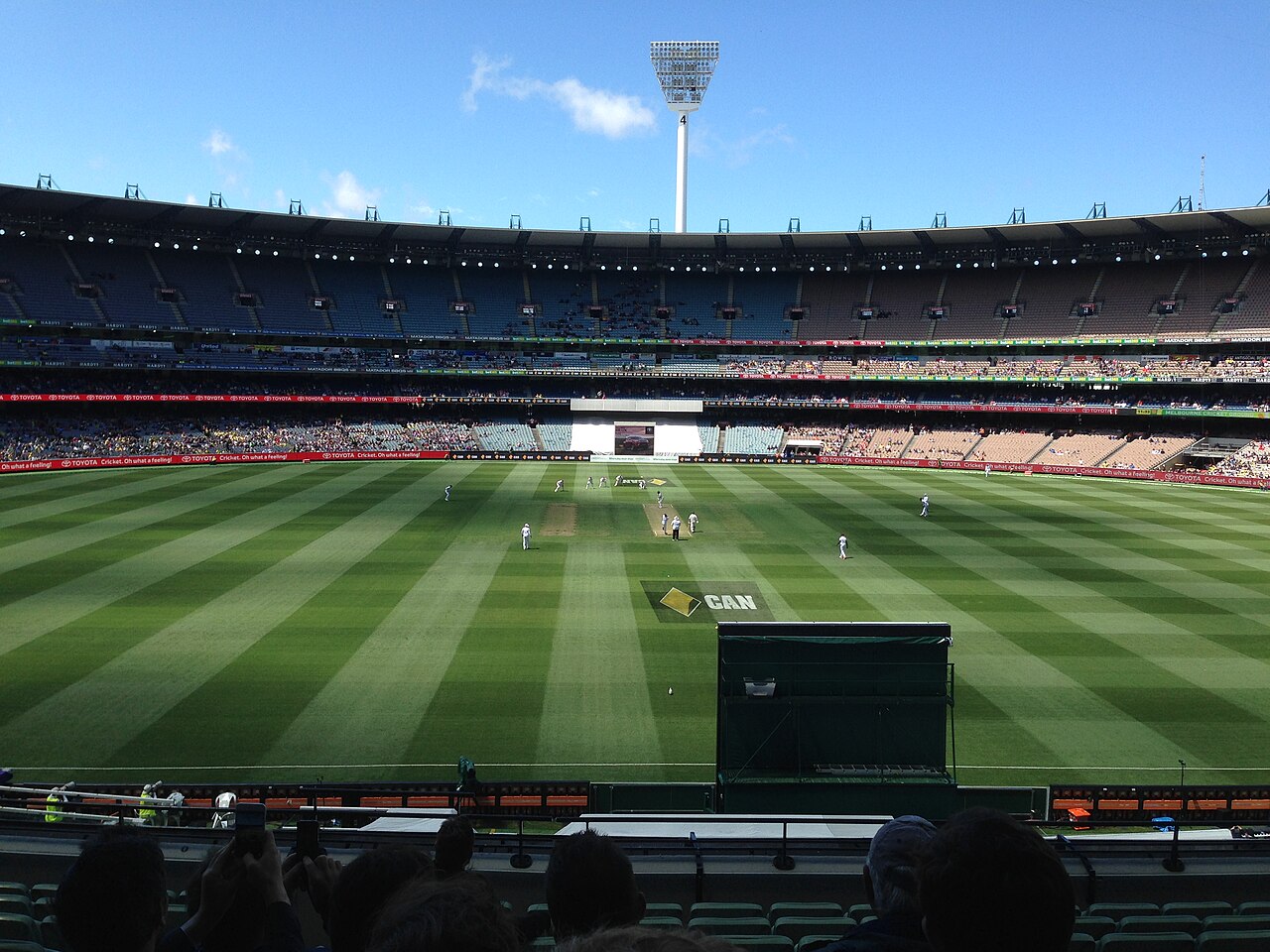
Rain and cricket have an old, awkward relationship. In a limited-overs match, where each side gets a fixed number of overs, a passing shower can wipe out the very overs a team was banking on. For decades this produced results that felt deeply unfair, until two English statisticians devised a fairer way. The Duckworth–Lewis–Stern method, or DLS, is the system that now settles most rain-hit limited-overs games — and while its sums are complex, the idea behind it is surprisingly intuitive.
The problem it solves
Imagine a side batting second, chasing a target, when the heavens open with several overs still to bowl. The match cannot be finished, so a winner must be decided some other way. But how? Simply comparing run totals is nonsense, because the chasing side never had the chance to use all its overs. Comparing run rates is not much better, because it ignores a crucial fact: a team with plenty of wickets in hand and only a few overs left can afford to swing at everything, scoring far faster than a side that has to pace a full innings.
Older methods stumbled precisely here. One approach used in the past simply took a team's most productive overs and set a target from those, which could leave a chasing side needing an almost impossible number of runs off the final few balls. Another averaged run rates and flattered the side batting second. What the game lacked was a method that understood how batting resources actually work — and that is exactly what DLS provides.
The key idea: resources
The heart of the method is a single, elegant concept: resources. At any moment in an innings, a batting side has two things at its disposal — overs remaining and wickets in hand. Together these represent the side's capacity to score more runs. A team with all ten wickets and fifty overs left has one hundred per cent of its resources. As overs are bowled and wickets fall, that percentage steadily drops towards zero.
Crucially, the two are combined rather than counted separately. Losing a wicket early, with many overs still to come, costs a lot of resource because it removes a batter who could have contributed for a long time. Losing a wicket in the final over costs very little, because there was barely any batting left to do. Likewise, overs are worth more when wickets are plentiful. The genius of the method is that it captures this interplay in a table of percentages, built from the patterns of thousands of past innings, telling you how much scoring capacity remains in any given situation.
Turning resources into a target
Once you can measure resources, adjusting a target becomes a matter of arithmetic. Suppose the team batting first completes its innings normally, using its full allocation of resources. If rain then shortens the chasing side's innings, that side will have fewer resources available. It would be unfair to ask them to chase the same total with less to work with, so the target is scaled to the resources each side actually had.
If the interruption leaves the chasing side with fewer resources than the first side enjoyed, the target is reduced in proportion. If, more unusually, the side batting second ends up with more resources than the first side had — for instance when the first innings itself was cut short — the target can be revised upwards, because the chasing team has been handed extra capacity. The method does not care who the interruption inconveniences; it simply rebalances the contest so that both sides are judged on an equal footing.
Par scores and the DLS line
During a run chase you will often hear about the par score. This is the running total the chasing side would need to be exactly level with the game at that precise moment, given the overs and wickets used so far. If the batting side is ahead of par when play stops and cannot resume, they win; if they are behind, they lose; and if they are exactly on it, the match is tied.
Par is why you sometimes see a team apparently cruising, only to be told they are actually behind. It reflects not just runs on the board but wickets spent. A side that has reached a healthy total but lost most of its batters may still be behind par, because it has little resource left to finish the job. Watching the par score tick alongside the actual score turns a rain-threatened chase into a tense, second-by-second contest — every run and every wicket nudges the team above or below the line.
Why the third name: Stern
The method began as Duckworth–Lewis, named after Frank Duckworth and Tony Lewis, the two statisticians who introduced it in the late 1990s. It was later refined by an Australian academic, Steven Stern, who took over its custodianship and updated the underlying figures to reflect how scoring patterns had evolved — particularly the higher totals and more aggressive batting of the modern game. In recognition of that work the method was renamed Duckworth–Lewis–Stern.
The addition of Stern's name is a reminder that the system is not frozen. Because it is built on the scoring behaviour of real matches, it must be periodically recalibrated as the game changes. A method tuned to the run rates of one era would gradually drift out of step as batters grew bolder and totals climbed, so its stewardship is an ongoing statistical task rather than a one-off invention.
A simple worked illustration
It helps to picture the idea in action, in round numbers rather than the exact figures the software uses. Suppose the side batting first posts a healthy total using its full innings — a hundred per cent of its resources. The chasing side then begins its reply, but rain arrives partway through and several overs are permanently lost. Because those overs can never be bowled, the chasing side will finish with less than a hundred per cent of the resources the first side enjoyed.
The method looks up how much resource the chasing side actually has, given the overs it will get and the wickets it has left, and scales the target accordingly. If the interruption leaves it with, say, four-fifths of a full innings' resources, the target is trimmed to reflect that shortfall, rounded to a whole number of runs. The batting side is then chasing a total matched to what it can realistically attempt, rather than the full figure it could never have reached. That, in essence, is all the method does — measure resources, then rebalance — and every revised target you see, however precise, follows from exactly this reasoning.
Common misunderstandings
DLS attracts a fair amount of grumbling, much of it based on misreadings of what it is trying to do. One frequent complaint is that a revised target looks too easy or too hard. But the method is not trying to predict what would have happened; it is trying to set a fair target given the resources each side genuinely had. It is a mechanism for fairness under interruption, not a crystal ball.
Another misunderstanding is that the method somehow ignores wickets. In fact wickets are central to it — that is the whole point of the resource idea. A side that has slogged its way to a big score but lost a clutter of wickets is treated very differently from one that reached the same score serenely, because their remaining capacities differ. Far from ignoring the state of the game, DLS is unusually sensitive to it.
It is also worth saying that no method can be perfect. Any system that compresses the messy reality of a rained-off match into a single fair number will occasionally produce a result that feels harsh to one side. What DLS offers is consistency and a sound principle, applied the same way every time, which is a great deal better than the arbitrary outcomes of the past.
Where the method applies and where it does not
It is worth being clear about the scope of DLS. It is a tool for the limited-overs formats — the one-day and shorter games where each side has a fixed allocation of overs — because the whole idea of measuring resources depends on there being a set number of overs to draw down. In the longest format, Test cricket, there is no equivalent, since matches are not decided by a fixed overs allocation and a rained-off Test simply drifts towards a draw rather than a calculated result.
Within the limited-overs game, the method is only triggered when an interruption actually costs overs and a natural finish becomes impossible. If rain merely delays the start but both sides still receive an equal, if reduced, allocation, there may be no need for a revised target at all — the match is simply shortened for both teams alike. DLS steps in specifically when the two innings end up with unequal resources, which is exactly the imbalance it was designed to correct. Knowing when it applies helps you understand why some rain breaks produce a revised target and others do not.
Why it matters to the fan
You do not need to work out the sums yourself — the calculations are handled by software, and the scoreboard simply shows the revised target or the par score. But understanding the idea behind DLS transforms how you watch a rain-affected game. Instead of feeling that a shower has robbed the match of meaning, you can follow the shifting par score and appreciate the drama it creates, as a chasing side gambles on whether to attack for a buffer above the line or protect its wickets against the next interruption.
That is the quiet triumph of the method: it takes one of cricket's oldest sources of injustice and turns it into a fair, watchable contest. The next time the covers come on, you will know exactly why the target has changed — and why, for all its complexity, the idea at its core is simply about giving both sides the same fighting chance. If you enjoy the strategic side of cricket, you might like puzzling over the game's history and players on the crickedle blog.
Fancy a challenge? crickedle is a free daily cricket guessing game with six modes — a new puzzle every day.
Play today's puzzle →