Explainers · 2026-06-22 · By Spud
Every way to get out in cricket, explained
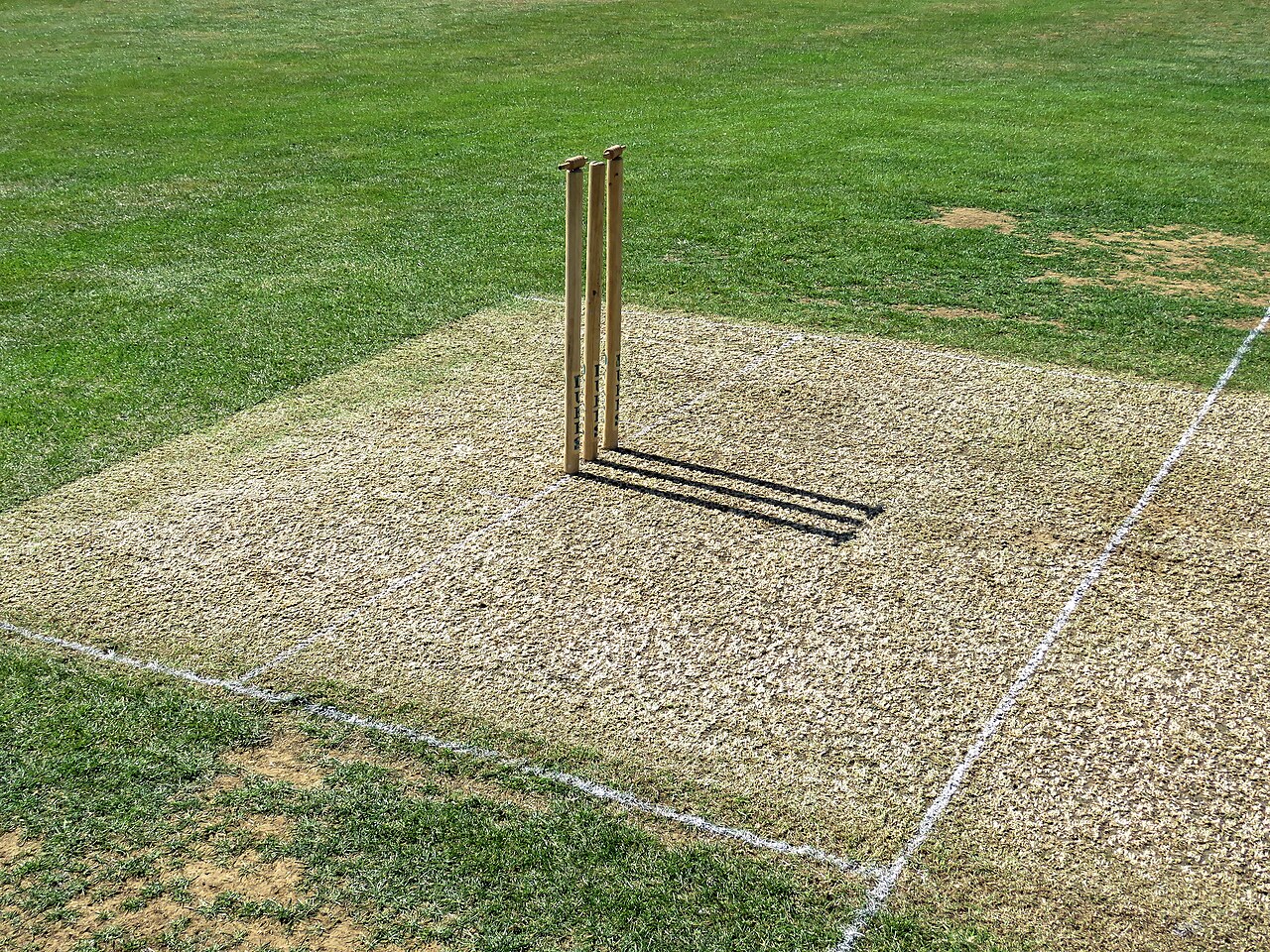
The moment a wicket falls is cricket's great punctuation mark — the fielders erupt, a batter trudges off, and the balance of the match shifts. But there is more than one way for a batter to lose their wicket, and while a few are seen in almost every over, others are so rare that a spectator might watch for years without witnessing them. Knowing the full list, common and obscure alike, deepens the pleasure of following the game enormously.
Bowled: the cleanest dismissal
The simplest and most emphatic way to get out is to be bowled. If the ball delivered by the bowler hits the stumps and dislodges a bail, the batter is out, regardless of whether the ball touched the bat or pad on the way. There is no appeal needed and no umpire's judgement to await — the wicket is simply, unarguably broken. For a bowler there is no more satisfying sight than the stumps cartwheeling, and for the crowd it is drama at its most instant.
Being bowled usually reflects a clean beating of the batter: a delivery that swung or seamed through the gap between bat and pad, or one that the batter simply misjudged in line or length. It is the outcome every bowler dreams of, because it leaves no room for doubt.
Caught: the most common of all
Across the history of the game, more batters are out caught than by any other method. If the batter strikes the ball with the bat (or the glove holding the bat) and a fielder catches it on the full, before it touches the ground, the batter is out caught. It might be a thick edge flying to the slips, a mis-hit ballooning to a fielder in the deep, or a firm drive plucked from the air at close range.
A catch behind the wicket, taken by the wicketkeeper off a faint edge, is a particular art, often confirmed these days by the tiny sound the ball makes on the bat. A catch taken off the bowler's own bowling is credited as "caught and bowled". Whatever its form, the catch is the workhorse of dismissals, and the reason fields are set with such care — every fielder is a potential catcher, positioned exactly where the captain thinks an edge or a mis-hit might go.
Leg before wicket: the one people argue about
Leg before wicket, universally abbreviated to LBW, is the most debated dismissal in the game, and the one newcomers find hardest to grasp. In essence, a batter is out LBW if the ball strikes their body — usually the pad — when it would otherwise have gone on to hit the stumps, and the batter has not first hit it with the bat. The rule exists to stop batters from simply blocking the stumps with their legs.
But there are conditions that make it subtle. The ball generally must not pitch outside the line of leg stump, and where it strikes the batter matters: if the impact is outside the line of off stump, the batter is usually not out unless they made no attempt to play a shot. Judging all this in real time — where the ball pitched, where it hit, and whether it was heading for the stumps — is why LBW decisions are so hard and so contentious, and why ball-tracking technology now assists umpires in the biggest matches. Understanding the principle, though, is simpler than it looks: the leg cannot be used to save the stumps.
Run out: a matter of inches
A run out happens during running between the wickets. If the fielding side gathers the ball and breaks the stumps while a batter is out of their ground — that is, without part of the bat or body grounded behind the popping crease — that batter is out. It is a dismissal born of hesitation, a misjudged single, or a brilliant piece of fielding, and it can hinge on a matter of inches, often settled by slow-motion replay.
The run out is unusual in that it is not credited to the bowler at all; it belongs to the fielders. It is also the cruellest dismissal, because a batter can be run out through no fault of their own — sent back by a partner, or beaten by a direct hit from the boundary. Sharp running and clear calling between the batters are the defence, and a great fielding side turns half-chances into run outs that swing whole matches.
Stumped: the keeper's reward
Stumping is the wicketkeeper's signature dismissal, and it is closely related to the run out. If a batter steps outside their crease to play at a delivery, misses it, and the wicketkeeper gathers the ball and breaks the stumps before the batter can get back, the batter is stumped. It happens most often against spin bowling, where the batter advances down the pitch to reach the ball and is beaten in the flight or by turn.
A stumping is a moment of lightning skill: the keeper must take a ball that has beaten the bat, often turning sharply, and whip off the bails in a fraction of a second while the batter scrambles to regain their ground. It rewards the partnership between a wily spinner who tempts the batter forward and a keeper alert enough to punish the smallest overbalance.
Hit wicket: undone by your own actions
A batter is out hit wicket if, in the act of playing the ball or setting off for a run, they dislodge a bail with their bat, body or equipment. A wild swing that spins the batter into the stumps, a back foot that treads on them, or even a cap falling onto the wicket can bring about this self-inflicted end. It is uncommon, and always faintly comic or unlucky, but it is a legitimate dismissal that appears now and then when a batter loses their balance or their bearings.
The rare and unusual dismissals
Beyond the everyday methods lie several dismissals so infrequent that each becomes a talking point when it occurs. A batter can be out hitting the ball twice — striking it a second time deliberately, other than to guard the stumps — which is almost never seen. Obstructing the field, where a batter wilfully impedes a fielder or interferes with a catch or a throw, is another rarity, invoked only in unusual circumstances.
Perhaps the most talked-about of the rare modes is being timed out: a new batter who takes too long to be ready to face their first ball can, in principle, be dismissed for it. And then there is the run out at the non-striker's end, sometimes carried out by a bowler when the non-striking batter leaves their ground before the ball is delivered. This method has generated great debate about sportsmanship over the years, but it is, and has always been, a perfectly legal way to take a wicket. These rarities almost never decide a match, yet they add to the game's endlessly rich texture.
Who gets the credit
Not every dismissal is credited to the bowler, and knowing which are and which are not helps when you read a scorecard. Bowled, caught, LBW, stumped and hit wicket all count towards a bowler's tally of wickets — they are the product of the bowler's delivery, even when a fielder or keeper completes the act. On the scorecard these appear next to the bowler's name, which is why a bowler's figures reflect the wickets they have earned.
The run out, by contrast, is credited to no bowler at all; it belongs entirely to the fielding effort, and it is recorded against the batter with the names of the fielders involved rather than a bowler. The same is true of the rarer fielding-related dismissals such as obstructing the field. This distinction matters because it separates what a bowler achieves from what the fielding unit achieves, and it is why a side can lose several wickets in an innings without its bowlers' figures fully reflecting the collapse. When you scan a scorecard, the little notes beside each dismissal tell you exactly who brought about each departure.
Retired: out or not?
There is one further wrinkle worth knowing. A batter may leave the field before being dismissed, and how this is recorded depends on why. If they retire hurt or ill and are unable to continue, they may return later and are not counted as out. But a batter who retires for any other reason, without the opposing captain's consent, is treated as dismissed. It is a small distinction, but it explains the "retired" entries you occasionally see on a scorecard.
Why knowing them all matters
You could enjoy cricket knowing only that batters get bowled, caught and given out LBW — those three account for the great majority of wickets. But the fuller picture is part of what makes the game so absorbing. Each mode of dismissal creates its own kind of tension: the keeper crouched for a stumping, the fielder poised for a run out, the whole side going up in a roar for an LBW appeal. Recognising them all lets you read the fall of a wicket not as a single event but as the climax of a particular contest.
The next time a batter departs, see if you can name exactly how — it is a habit that quickly becomes second nature and makes every session richer to watch. If you would like to test your knowledge of the players who take and fall to those wickets, try the Odd One Out mode over at crickedle.
Fancy a challenge? crickedle is a free daily cricket guessing game with six modes — a new puzzle every day.
Play today's puzzle →