Explainers · 2026-06-26 · By Spud
The toss, the pitch and reading conditions in cricket
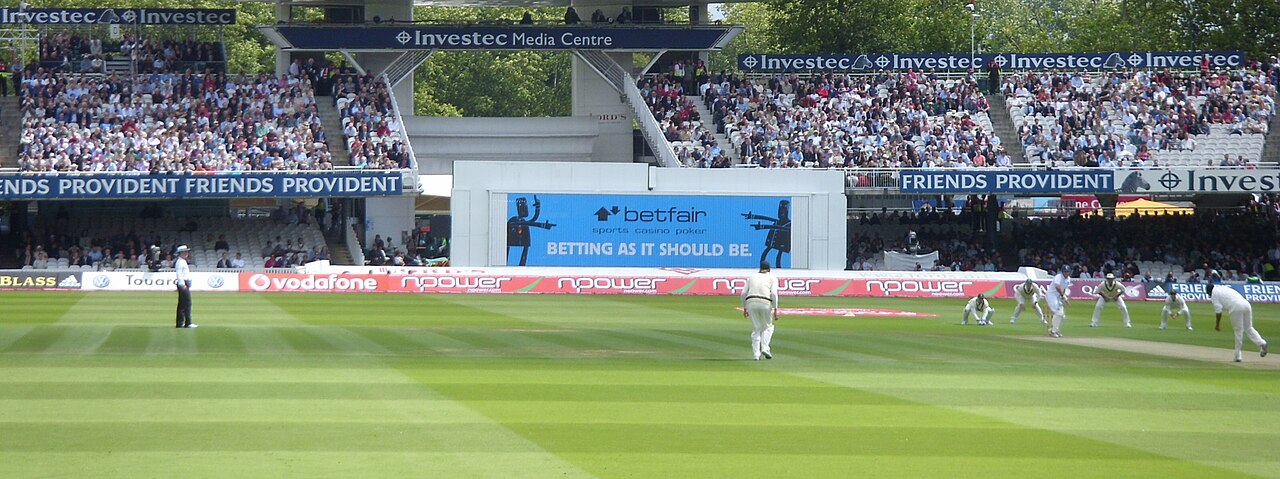
Before a ball is bowled, cricket stages a small ceremony that can shape everything that follows: two captains meet in the middle, a coin is spun, and one of them wins the right to choose whether to bat or bowl first. It looks like a trivial formality, but the toss sits at the heart of the game's strategy, because a cricket pitch is a living, changing surface and the conditions above it shift by the hour. Learning to read those conditions is one of the great arts of captaincy.
What the toss actually decides
The mechanics are simple. One captain calls heads or tails while the other spins the coin; the winner then elects to bat or to field first. That single choice can hand a side a real advantage, because in cricket the two innings are rarely played in identical conditions. Unlike sports where both teams face the same environment throughout, a cricket match unfolds on a surface that evolves, under weather that changes, so the order in which you bat or bowl genuinely matters.
Winning the toss is not a guarantee of anything — many matches are won by the side that lost it — but it removes a decision from chance and places it in the captain's hands. A shrewd captain who reads the conditions correctly can tilt the odds before the first delivery, which is why the toss and the decision that follows are pored over so intently.
The pitch: cricket's central character
To understand the toss you have to understand the pitch, the strip of prepared ground twenty-two yards long in the middle of the field. No two pitches are the same, and each has a character shaped by its soil, its grass covering, how it has been rolled and watered, and the climate of the ground. Some are hard and true, offering even bounce and rewarding batters; others are green and grassy, helping the seam bowlers; others still are dry and crumbly, made for spin.
Crucially, the pitch is not fixed for the duration of a match. It is a surface that lives and breathes, and it behaves differently on the first morning than it does on the final afternoon. Reading how a particular pitch will play, and how it will change, is the single most important judgement a captain makes at the toss — and getting it wrong can lose a match before it has properly begun.
How a pitch changes over a match
In the longer formats especially, the evolution of the pitch is central to the contest. On the first day, a fresh pitch often has a little moisture in it and, if there is grass, some life for the seam bowlers. This is why a captain who wins the toss on a green, overcast morning may choose to bowl first, hoping the new ball will swing and seam while the surface is at its most helpful.
As the match wears on, the surface dries and wears. Footmarks appear where the bowlers have landed the ball, cracks may open in the baked earth, and the once-true bounce grows uneven. This gradual deterioration tends to help the spin bowlers, who find more turn and more variable bounce as the days pass, and it makes batting last on a fifth-day pitch one of the sternest tests in the game. A captain must weigh all of this: bat first to make use of the good early conditions, or bowl first and accept the risk of batting on a worn surface later.
Batting first or chasing: the core decision
The heart of the toss decision is whether to bat or bowl first, and it comes down to when the conditions will most favour each discipline. If the pitch looks likely to be at its best early and to deteriorate later, batting first is attractive: score heavily while run-making is easy, then bowl at the opposition on a worsening surface. This is the classic reasoning behind choosing to bat in a Test match on a dry, hard pitch.
If, instead, there is early help for the bowlers — moisture, grass, a heavy, humid atmosphere that encourages swing — a captain may prefer to bowl first, strike while the ball is doing most, and hope to dismiss the opposition cheaply before the pitch eases out. In the limited-overs formats a further factor enters: some captains prefer to chase, because knowing the exact target simplifies the run rate and removes the guesswork of setting a total. Weighing these considerations against the specific conditions of the day is the essence of the decision.
Weather and the atmosphere
Conditions are not only underfoot. The sky matters enormously. On a heavy, overcast day the ball tends to swing more through the air, so a captain may fancy bowling first to exploit that movement, expecting the swing to fade once the cloud burns off and the day brightens. Humidity, air pressure and even the time of day all play their part in how much the ball moves.
Dew is another consideration, particularly in day-night matches. As the evening cools, dew can settle on the outfield and the ball, making it slippery and hard for bowlers to grip and for fielders to handle. A captain who anticipates heavy dew may choose to bat first and bowl before the dew arrives, or to chase and let the dew neutralise the opposition's bowlers in the second innings. Reading the forecast is as much a part of the toss as reading the pitch.
How captains read the signs
So what does a captain look at when they walk out to inspect the pitch before the toss? They press a key into the surface to test its hardness and moisture. They look at the grass covering — its colour and length — for clues about seam movement. They study the cracks, if any, and imagine how they will widen. They consider the history of the ground, how pitches there have behaved in the past, and what the groundsman has said about the preparation.
Then they lift their eyes to the sky, judge the cloud and the humidity, and factor in the forecast for the days ahead. All of this is synthesised, often in a matter of minutes, into a single decision: bat or bowl. Experienced captains develop an almost instinctive feel for it, but even the best get it wrong, because a pitch can always surprise, and the weather can turn against the plan. That uncertainty is precisely what makes the call so compelling.
When the toss matters most
The toss carries different weight in different situations. On a flat, true pitch under clear skies, where conditions will change little, winning the toss may make almost no difference — both sides would bat happily whenever they got the chance. But on a pitch expected to swing violently early or to crumble into a spinners' paradise late, the toss can be decisive, handing the winner a substantial head start. This is why you sometimes hear that a match is "a good toss to win", and why in certain conditions the losing captain's heart sinks the moment the coin lands.
Fairness debates flare up now and then when the toss seems to matter too much, especially where pitches are heavily weighted towards one discipline. But most of the time the toss is simply one more variable in a game full of them, and a side that reads conditions poorly can squander the advantage while a sharp opponent overcomes losing the call.
How conditions vary around the world
Part of what makes cricket so richly varied is that conditions differ enormously from one part of the world to another, and captains must adjust their reading accordingly. In places with green, seam-friendly pitches and heavy, often overcast skies, the new ball tends to move sharply, and bowling first can be a powerful option. On the hard, bouncy surfaces found in some countries, pace and steepling bounce are the defining features, and batters must adapt to a ball that hurries onto them.
Elsewhere, particularly on the dry, dusty pitches of the subcontinent, spin is king. Such surfaces may offer little to the seamers but turn sharply as they wear, so the contest tilts towards the slow bowlers as a match progresses, and batting last becomes an ordeal against turning, gripping deliveries. A captain touring from one cricketing culture to another must relearn how to read the local pitch, because the instincts honed at home can mislead abroad. This diversity of conditions is one of the reasons cricket rewards experience and adaptability so highly, and why a side that masters foreign conditions earns such respect.
Why it rewards the attentive fan
Understanding the toss and the conditions transforms the opening moments of a match from a formality into a fascinating puzzle. When the captains walk out to the middle, you can look at the same pitch and sky they are studying and try to guess their thinking: is there grass for the seamers, cracks for the spinners, cloud to bring swing, dew to come in the evening? Following their reasoning, and then watching the match reveal whether they judged it right, is one of the deeper pleasures the game offers.
None of it requires expertise — just the habit of noticing the pitch, the sky and the choice that flows from them. Do that for a few matches and the toss will never again seem like an idle flip of a coin. If you enjoy the settings where all this drama plays out, try the Ground Spotter mode over at crickedle.
Fancy a challenge? crickedle is a free daily cricket guessing game with six modes — a new puzzle every day.
Play today's puzzle →