Explainers · 2026-06-17 · By Spud
Slip, gully, cover: cricket fielding positions explained
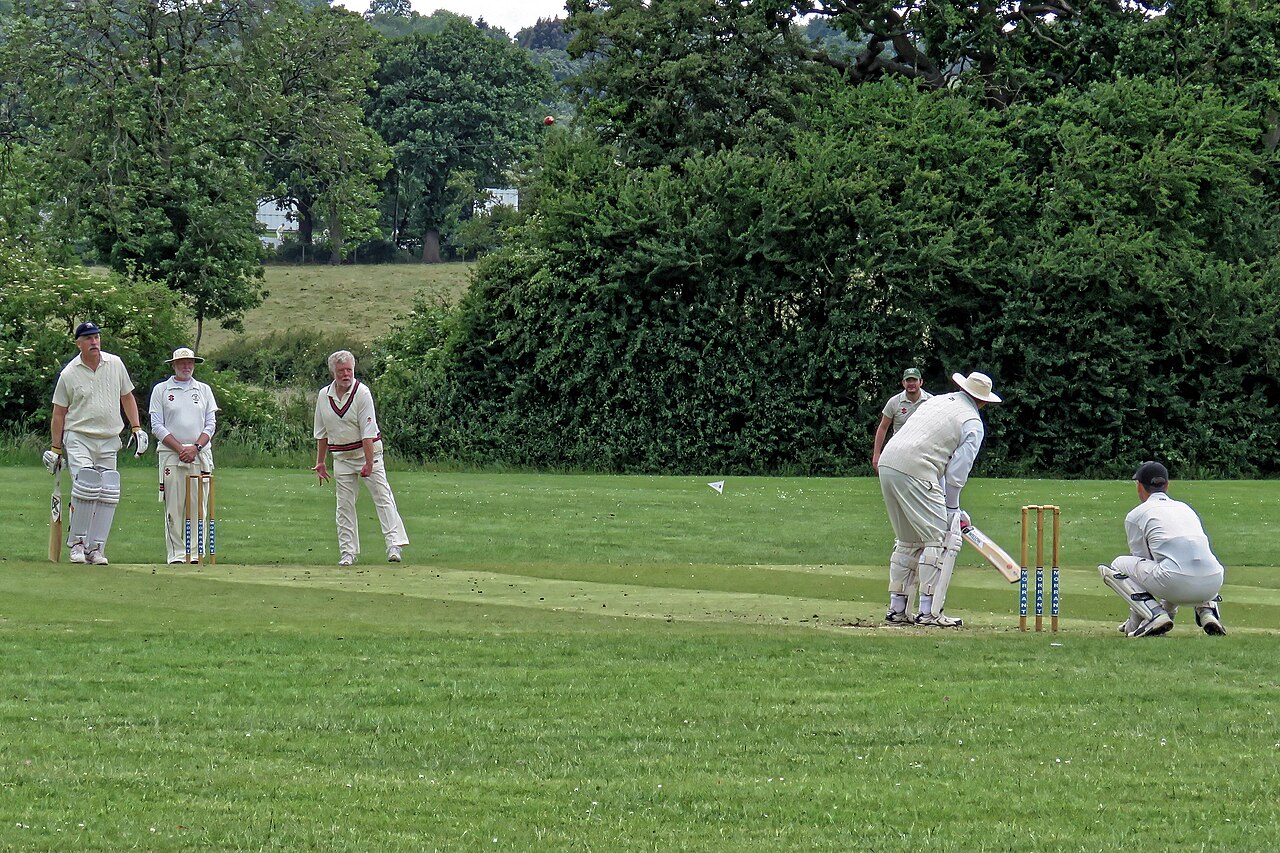
To the newcomer, cricket commentary can sound like a foreign language: the ball goes to backward point, a catch is dropped at second slip, the field is spread with a man at deep midwicket. These are the names of fielding positions, and there are dozens of them, each describing a precise spot on the ground. Learn the logic behind them and the whole geography of the game opens up. This is a tour of where the fielders stand, why, and what a field placing reveals about the captain's plan.
The off side and the on side
Everything starts with dividing the field in two. Imagine a line running straight down the pitch, from one set of stumps to the other, and extending out to the boundary at both ends. This line splits the ground into two halves relative to the batter: the off side and the on side (also called the leg side).
Which half is which depends on the batter's stance. For a right-handed batter standing in the normal position, the off side is the half in front of the body — the side the bat swings towards on a cover drive — and the on or leg side is the half behind the legs. For a left-hander, the two are mirrored. This is why fields have to be adjusted when a new batter of the opposite hand comes in: a position that was on the off side is suddenly on the leg side. Every position name that follows is understood in relation to this fundamental split.
The slip cordon and the close catchers
Behind the batter on the off side, next to the wicketkeeper, stands the slip cordon — a row of fielders angled to catch the thin edges that fly off the bat. They are numbered outwards from the keeper: first slip nearest, then second, third and so on. Their job is pure catching; they stand close, hands ready, poised for a chance that arrives in a blink.
Just squarer than the slips, still close on the off side, is gully, positioned to snap up the thicker, squarer edge. On the other side of the pitch, close in front of and behind the batter on the leg side, sit short leg and leg slip, crouched dangerously near the bat to take the ball that pops up off pad or glove. These close catchers are a sign of an attacking captain hunting a wicket: the more fielders clustered around the bat, the greater the pressure — and the more gaps there are elsewhere for the batter to exploit.
The ring of infielders
Moving out from the bat, the next band of fielders forms a rough ring some distance away, close enough to stop pushed singles and swoop on drives, but not right under the batter's nose. On the off side, working from behind square to in front, you find point, cover point, cover, and extra cover — the positions that guard the batter's driving arc. Backward point sits squarer, behind the line of the wicket; mid-off stands straighter, near the bowler's end.
On the leg side, the ring includes square leg, midwicket and mid-on. Each name pins down an angle and a distance. "Square" means level with the batter, at right angles to the pitch; "mid" positions are straighter, closer to the line of the stumps. A well-set ring can strangle the flow of easy singles, forcing batters to take risks to score — which is exactly what a bowling side wants when it is trying to build pressure.
Out on the boundary
The third band is the outfield, where fielders patrol near the rope to cut off boundaries and take the high catches that come from mishit big shots. These positions usually carry the prefix "deep" or "long". Deep cover, deep midwicket, deep square leg and deep point sit out towards the boundary in line with their infield namesakes. Straight down the ground behind the bowler are long-on and long-off, the catchers who wait under the towering drive.
Fine down towards the wicketkeeper's end, third man patrols behind the slips to gather edges that beat the cordon and race away, while fine leg does the same job on the other side, mopping up glances and deflections off the pads. When you see several fielders posted on the boundary, it usually means the captain has accepted that some singles will be conceded in exchange for protecting the boundary and tempting the batter into a risky lofted shot.
Attacking fields versus defensive fields
The arrangement of all these fielders tells a story. An attacking field crowds the bat: slips, gully, short leg, close catchers, and few if any protectors on the rope. It says the bowling side is chasing wickets and is willing to leak the odd boundary to get them. You will see it with the new ball, on a lively pitch, or when a captain senses a batter is vulnerable and wants to force the issue.
A defensive field, by contrast, pushes fielders back into the ring and out to the boundary. It concedes that wickets may be harder to come by and prioritises choking the run rate instead — plugging gaps, saving the single, guarding the rope. Captains switch between these mindsets constantly, tightening the field to squeeze a set batter and loosening it to attack a nervous new arrival. Reading a field is reading the captain's intentions.
Setting a trap
The cleverest field placings are traps. A bowler and captain may leave an inviting gap in a particular area, tempting the batter to play towards it — and then bowl deliveries designed to make that very shot dangerous. A classic example is placing a catcher just behind square on the leg side and then bowling short, banking on the batter hooking straight down the throat of the waiting fielder.
Another is the tempting gap at cover, encouraging a drive against a ball that is doing just enough off the seam to take the edge to the slips. These are not random arrangements; they are baited hooks. When a batter is dismissed by a shot that seemed to be "on", the wicket was often set up several deliveries earlier by a field placed to punish exactly that stroke. Spotting these patterns is one of the great pleasures of watching the game closely, and it is the same instinct rewarded by Odd One Out, one of the modes over at crickedle.
Why fielders move between deliveries
If you watch closely, fielders rarely stand still. They shuffle a few metres between balls, adjust for a change of bowler, and reset entirely when a left-hander replaces a right-hander at the crease. This constant motion reflects the endless negotiation between bowler and captain about what the next delivery will be and where the batter is most likely to hit it.
The format matters too. In the long game, captains can afford patient, catch-hungry fields, building pressure over hours. In the shortest formats, with runs at a premium and fielding restrictions in force for part of the innings, placements become a game of protecting boundaries and cutting off the scoring shots. The names stay the same, but how they are combined shifts dramatically with the situation.
The wicketkeeper and the specialist fielders
One position sits apart from all the others: the wicketkeeper, the only fielder permitted to wear large gloves and pads, crouched directly behind the stumps. The keeper is involved in almost every delivery, gathering the balls the batter leaves or misses, taking the fine edges, whipping off the bails for stumpings and run-outs, and marshalling the fielders from the best vantage point on the ground. A sharp keeper standing up to the stumps also pins the batter in the crease, discouraging him from advancing down the pitch. It is a specialist role demanding relentless concentration, since a keeper may crouch and rise several hundred times in a day.
Beyond the keeper, captains increasingly deploy specialist fielders in the positions that suit their gifts. A safe pair of hands goes to the slips, where catches fly fast and low; a fielder with a rocket arm and quick reflexes patrols the boundary or point, saving runs and threatening run-outs; an agile, fearless athlete takes the close catching positions near the bat. Great fielding wins matches almost as surely as great bowling, and a brilliant piece of work in the field — a diving stop, a direct-hit run-out, a full-length catch on the rope — can swing the momentum of a game in an instant. Modern sides drill fielding as seriously as batting or bowling, and the placing of a team's best fielders is itself a tactical decision.
Learning the map
You do not need to memorise all forty-odd positions at once. Start with the anchors: the slips behind the bat, point and cover on the off side, midwicket and square leg on the leg side, and the deep positions on the boundary that echo them. Once you can locate those, the rest fall into place, because every name is just a matter of angle and distance from the batter, read against the off-side and leg-side divide.
With that map in your head, cricket becomes far richer to watch. A commentator's shorthand turns into a vivid picture; a captain's field change becomes a readable statement of intent; and a wicket that once looked like luck reveals itself as the sprung end of a carefully laid plan. If you would like to keep testing your feel for the players and the fine details of the game, crickedle offers a fresh cricket puzzle to solve every day.
Fancy a challenge? crickedle is a free daily cricket guessing game with six modes — a new puzzle every day.
Play today's puzzle →