Tournaments · 2026-06-28 · By Spud
How the IPL changed cricket
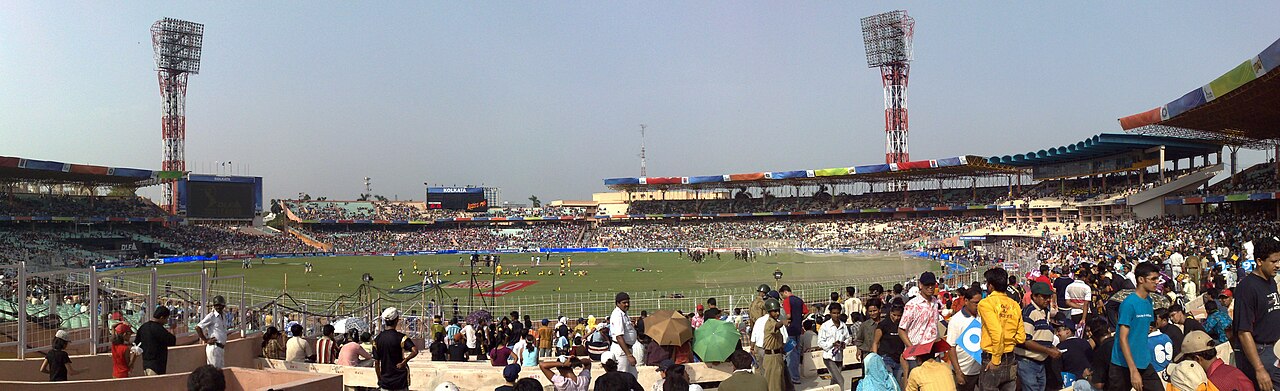
When the Indian Premier League held its first season in 2008, few could have predicted just how profoundly it would reshape cricket. It was not the first Twenty20 competition, nor the first attempt to run club cricket as a commercial spectacle. But the scale, timing and location of the IPL made it something entirely new — and the game that emerged on the other side of it was, in many ways, a different sport.
A new kind of competition
The IPL took a simple idea and executed it at a scale cricket had never seen. City-based franchises, owned by businesses and celebrities, would assemble squads of the world's best players and compete in a short, intense tournament packed into a few weeks. The matches were Twenty20 — three hours long, floodlit, played in the evening — and they were sold as entertainment as much as sport, with music, colour and a carnival atmosphere.
Crucially, the league mixed players from every cricketing nation into the same teams. An Indian batting star, an Australian fast bowler and a West Indian all-rounder might all pull on the same franchise shirt. For fans used to purely national or purely domestic teams, this was a striking change, and it gave the tournament a glamour and unpredictability that drew enormous crowds and television audiences from the very first season.
Why India, and why then
The IPL could probably only have started where and when it did. India is the commercial heart of world cricket, with a vast, passionate audience and the broadcasting and sponsorship money to match. A franchise league built on that foundation had a financial power no other country could rival.
The timing mattered too. Twenty20 cricket had recently proved itself as an international format, and the appetite for a short, explosive version of the game was clearly there. India's cricketing public embraced the format wholeheartedly, and the combination of a hungry audience, deep commercial pockets and a proven short format created the perfect conditions. The IPL did not invent any single one of these ingredients; its genius was in bringing them together at the right moment.
The franchise model arrives
Before the IPL, top-level cricket was organised around nations. Players represented their countries, and domestic cricket — the county, state and provincial game — was largely a feeder system, followed keenly by locals but rarely a global commercial event in its own right. The IPL introduced a genuinely new layer: privately owned clubs, competing for players on an open market, operating as businesses with their own brands and loyalties.
This franchise model changed the economics of the game. Suddenly there was a route by which a cricketer could earn a substantial income from club cricket, quite separate from what his national board paid him. Ownership brought marketing, merchandise, dedicated fan bases and city identities. Cricket had long had international glamour; now it had club glamour too, of a kind more familiar from other global sports.
The transformation of the player's career
Perhaps the deepest change the IPL brought was to the shape of a cricketer's career. For the first time, a player could build a livelihood, and even fame, largely through the short format and the franchise circuit.
- New wealth. The best Twenty20 specialists could earn sums that would once have been unthinkable outside the very top of the international game, and they could do so in a few intense weeks.
- The rise of the specialist. A player who might never have held down a place in a five-day Test side could become a sought-after star on the strength of power hitting, a clever slower ball or fearless death bowling.
- A global marketplace. Players from smaller cricketing nations, whose international opportunities were limited, suddenly had a stage on which to display their skills and be rewarded for them.
- Difficult choices. With more cricket than ever to play, and franchise contracts competing with national commitments, players and boards had to weigh loyalty, workload and money in ways the game had never before required.
The spread of the model
The IPL's success did not stay contained within India. Once it was clear that a city-based Twenty20 league could draw crowds, sell broadcast rights and attract the world's best players, other countries followed. Australia, the Caribbean, England, and several others launched franchise tournaments of their own, each adapted to its own market and calendar.
The result is a global franchise circuit, a near year-round succession of Twenty20 leagues in which the top short-format players move from one to the next. The IPL remains the flagship, the wealthiest and most watched of them all, but it is now the head of a much larger body. This spread has knitted the cricketing world more tightly together, with the same faces appearing in league after league, and has given the short format a permanent, lucrative home in almost every major cricket country.
Effects on the international game
The rise of the franchise league inevitably reshaped international cricket too. National boards, which had grown used to being the only serious employer of top players, found themselves competing with clubs for their stars' time and energy. Scheduling became a delicate balancing act, with international series, franchise windows and player workloads all pulling against one another.
The influence flowed onto the field as well. The aggressive, inventive batting honed in Twenty20 fed back into the longer formats, making one-day and even Test cricket faster-scoring than a previous generation would have believed possible. Bowlers, too, sharpened their variations under the pressure of the short game. In this sense the IPL and its imitators did not merely sit alongside international cricket; they changed how the whole sport was played.
The debates it stirred
Not everyone welcomed the changes, and the IPL has always attracted debate as well as adoration. Traditionalists worried that the money and glamour of the franchise game would pull players and public attention away from Test cricket, the format long regarded as the game's ultimate test. Others raised concerns about crowded calendars, player burnout and the tension between club and country.
There were fears, too, that the flood of money might distort priorities, and that domestic first-class cricket — the quiet nursery in which Test players are traditionally forged — could be neglected. These are genuine tensions, and the game continues to wrestle with them. Yet it is also true that the franchise game has brought new audiences to cricket, created livelihoods for players who might otherwise have gone unrewarded, and injected a jolt of energy into a sometimes conservative sport.
A permanent change
Whatever one makes of it, there is no serious argument that the IPL was a passing fad. It changed the economics of cricket, created a new tier of the professional game, accelerated the rise of Twenty20 and shifted the sport's commercial centre firmly towards India. The franchise model it popularised is now a fixed feature of the cricketing landscape, replicated around the world.
The game that existed before 2008 and the game that exists now are recognisably the same sport, but the differences are real and lasting. The IPL did not simply add a new tournament to the calendar; it rewired how cricket is organised, funded and played. For better and for worse, the modern game runs on tracks the league helped to lay.
If tracing players across the franchises and countries they have represented appeals to you, crickedle is built for exactly that. Try the Playing XI mode to test how well you know the squads, or dip into the crickedle blog for more on the tournaments that shaped cricket. A short daily puzzle is a good way to stay sharp on the game's ever-changing cast — start playing here.
The franchise model goes global
The IPL did not just change India; it changed the shape of a cricketer's career everywhere. Before it, an international player's calendar was built almost entirely around their national team. After it, a new path opened: a talented T20 specialist could earn a living travelling the world's franchise leagues, from the Big Bash to the Caribbean Premier League to the leagues of England, Pakistan and South Africa, many of them modelled directly on the IPL's blueprint of city franchises, an auction or draft, and a short, intense season.
That shift has been liberating for players and disruptive for boards. Some cricketers now retire early from one format, or even from international cricket entirely, to chase the franchise circuit. National selectors juggle availability around overlapping league windows. The balance of power in the sport has tilted toward the tournaments that pay the most — and the IPL, by a distance, pays the most of all.
What it did to the way the game is played
The IPL also accelerated cricket's tactical evolution. Ideas that once seemed radical — opening with a spinner, using wrist-spinners as attacking weapons in the middle overs, batters ramping and reverse-scooping fast bowlers, bowlers building whole careers around the slower ball and the wide yorker — spread quickly because the league threw the world's best players together and rewarded innovation with results. Young Indian cricketers, in particular, gained something priceless: the chance to share a dressing room with international greats and test themselves against the best in front of huge crowds before ever playing for their country. That production line of fearless, match-ready talent is one of the league's most lasting legacies, and it feeds directly into the depth of names that make a game like crickedle possible.
Fancy a challenge? crickedle is a free daily cricket guessing game with six modes — a new puzzle every day.
Play today's puzzle →