Tournaments · 2026-07-03 · By Spud
T20 franchise leagues around the world, explained
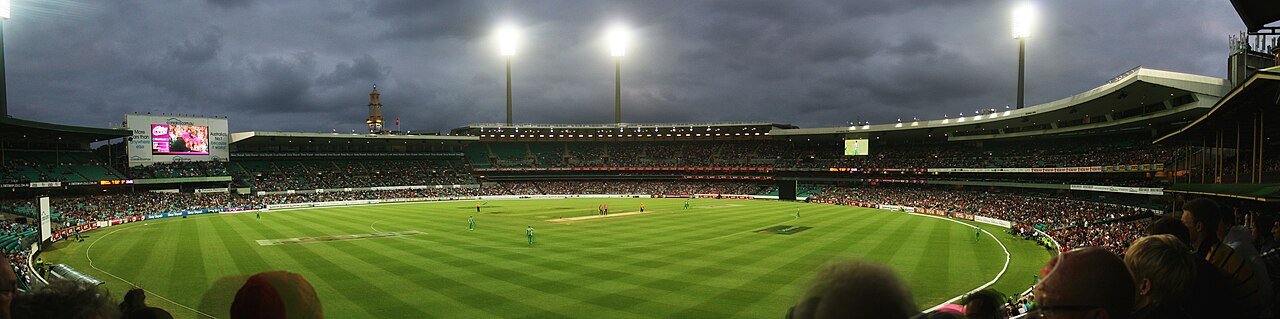
Twenty20 franchise cricket has become one of the defining features of the modern game. From India to Australia, the Caribbean to England, city-based clubs now compete in short, colourful tournaments that fill stadiums and draw huge television audiences. For newcomers the sheer number of leagues can be bewildering. This guide explains how the franchise model works, where it came from and why it spread so quickly across the cricketing world.
What a franchise league actually is
At its heart, a franchise league is a domestic Twenty20 competition in which the teams are privately owned clubs — franchises — rather than traditional regional or national sides. Each franchise is usually tied to a city or region, has its own name, colours and fan base, and is run as a commercial enterprise. The clubs assemble squads by recruiting players, then compete over a few intense weeks in a tournament designed as much for entertainment as for sport.
The key word is franchise. Unlike the old model of counties, states or provinces representing a fixed geography, these clubs are commercial entities. They can be bought and sold, they build brands, and they pull in players from anywhere in the world. That combination of local identity and global talent is what gives franchise cricket its particular flavour.
How the model works
Although each league has its own rules, most franchise competitions share a common structure that has proved remarkably successful.
- A short, sharp format. Matches are Twenty20 — around three hours long, usually under floodlights in the evening, played over a compressed season. The brevity is deliberate: it suits television schedules and delivers a result every night.
- Squad building through drafts or auctions. Teams acquire players through a controlled process, either an auction, in which clubs bid for players, or a draft, in which they take turns to pick. Both are designed to spread talent reasonably evenly and stop the richest club simply hoarding every star.
- Salary caps and squad limits. Most leagues cap how much a club can spend and restrict how many overseas players it can field, keeping the competition balanced and protecting opportunities for local cricketers.
- A league-then-knockout shape. Teams typically play each other in a group phase before the leading sides progress to play-offs and a final, guaranteeing a climactic finish.
This blend of a snappy format, a fair recruitment system and a balanced competition is the template that leagues around the world have adopted and adapted.
Where the idea came from
Twenty20 itself began in the mid-2000s as a way to bring shorter, livelier cricket to domestic audiences. It caught on faster than almost anyone expected, and it soon became clear that this compact format was ideally suited to a club-based, commercial competition.
The model that truly proved the concept on a grand scale was the Indian Premier League, which launched in 2008. By marrying Twenty20 to city franchises, celebrity ownership and India's vast, cricket-mad audience, the IPL demonstrated that franchise cricket could be enormously popular and commercially powerful. Its success became the blueprint. Almost every franchise league that followed drew, in some way, on what the IPL had shown was possible.
The leading leagues around the world
The franchise circuit now spans the globe, with major tournaments in most of the leading cricket nations. A few stand out.
- The Indian Premier League. The flagship of the whole movement — the wealthiest, most watched and most influential franchise competition, and the one against which all others are measured.
- The Big Bash League. Australia's city-based Twenty20 tournament, played through the Australian summer and known for its family-friendly, festival atmosphere.
- Caribbean, English and other leagues. The West Indies, England and several other cricketing countries run their own franchise tournaments, each tailored to its own market, climate and calendar. Newer leagues have sprung up in other regions too, extending the circuit further still.
Together these competitions form a near year-round succession of tournaments. Because they are scheduled at different times, the best Twenty20 specialists can move from one to the next, plying their trade around the world across the seasons.
Why the model spread so fast
The rapid spread of franchise cricket was no accident. Several forces drove it, and they reinforced one another.
The first was money. A successful franchise league generates substantial income from broadcasting rights, sponsorship, ticket sales and merchandise, benefiting the clubs, the players and the national board that sanctions the tournament. For boards looking to fund the wider game, a thriving league became an attractive source of revenue.
The second was the appetite of players and fans. Supporters enjoyed the fast, boundary-laden cricket and the evening-out atmosphere, while players welcomed a new and lucrative stage on which to perform. The third was simple imitation: once the model was proven, no major cricketing country wanted to be left without its own league, both for the income and for the prestige.
What it means for players
For cricketers, the franchise circuit has opened up a genuinely new kind of career. A generation ago, a player's living came almost entirely from representing his country and his domestic region. Now a skilled Twenty20 performer can travel the world, playing in league after league, and build a substantial livelihood largely through the short format.
This has been especially significant for players from smaller cricketing nations, whose international opportunities may be limited, and for specialists whose skills — explosive hitting, canny death bowling, sharp fielding — are perfectly suited to the short game even if they might not command a place in a five-day side. The flip side is a crowded schedule and difficult choices, as players juggle franchise contracts against national commitments and manage the physical toll of near-constant cricket. Balancing club and country has become one of the defining challenges of the modern player's life.
The debates around franchise cricket
The rise of the franchise model has not been universally welcomed, and it raises real questions the game is still working through. Some worry that the wealth and glamour of the leagues draw attention and talent away from Test cricket, long regarded as the ultimate format. Others point to the risk of player burnout, or to the tension between franchise windows and the international calendar.
There are concerns, too, about balance within the game — whether the money flowing to the biggest leagues widens the gap between rich and poorer cricketing nations, and whether traditional domestic competitions can survive in the shadow of their glossier franchise cousins. These are legitimate debates. Yet franchise cricket has also brought new audiences to the sport, created livelihoods for many players and given cricket a commercial vitality it had sometimes lacked. The challenge, as ever, is finding a healthy balance between the new and the traditional.
A permanent part of the landscape
Whatever one makes of it, franchise cricket is now a fixed feature of the game, not a passing experiment. The circuit of city-based Twenty20 leagues has become a central pillar of professional cricket, sitting alongside the international game rather than replacing it. It has changed how players build careers, how the sport makes money and how millions of fans follow the game.
Understanding the franchise model is therefore essential to understanding modern cricket. Once you grasp how these leagues work — the franchises, the auctions and drafts, the salary caps, the global cast of players moving from one tournament to the next — the busy, colourful calendar of the contemporary game starts to make a great deal of sense.
If keeping track of which players turn out for which franchises appeals to you, crickedle is built for exactly that. Try the Playing XI mode to test your knowledge of the squads, or browse the crickedle blog for more on the tournaments shaping the game. A quick daily puzzle is a fine way to stay on top of cricket's ever-shifting cast — start playing here.
How a franchise league is built
Most franchise leagues share the same skeleton, borrowed and refined from the IPL. A handful of city-based teams are owned by private franchises. Players are assigned through an auction or a draft, usually with a salary cap so no single team can hoard all the talent, and rules that limit how many overseas players can take the field at once. A short season of a few weeks packs in a round-robin followed by playoffs and a final, which keeps the tournament sharp and television-friendly.
Those shared rules produce very different flavours. Australia's Big Bash leans on a long summer holiday window and family crowds. The Caribbean Premier League brings a carnival atmosphere. Leagues in England, Pakistan, South Africa, the UAE and the USA each blend local stars with a rotating cast of international guns for hire. Because the windows sometimes overlap, the best T20 freelancers plan their years around which leagues to play — and boards negotiate hard to protect their own competitions.
What it means for players and fans
For players, the franchise circuit has created a genuine career path outside international cricket: a skilled T20 specialist can play almost year-round, moving between hemispheres as seasons change. For fans, it means the best short-format cricketers now turn out in many different shirts across a single year, which is part of what makes following the modern game — and a game like crickedle, where a player might be tagged to a national side or a franchise — such a rich puzzle. Knowing that a big-hitting overseas star turns out for a particular franchise is exactly the kind of detail the daily modes reward.
Fancy a challenge? crickedle is a free daily cricket guessing game with six modes — a new puzzle every day.
Play today's puzzle →