Explainers · 2026-05-25 · By Spud
Test, ODI and T20: cricket's three formats explained
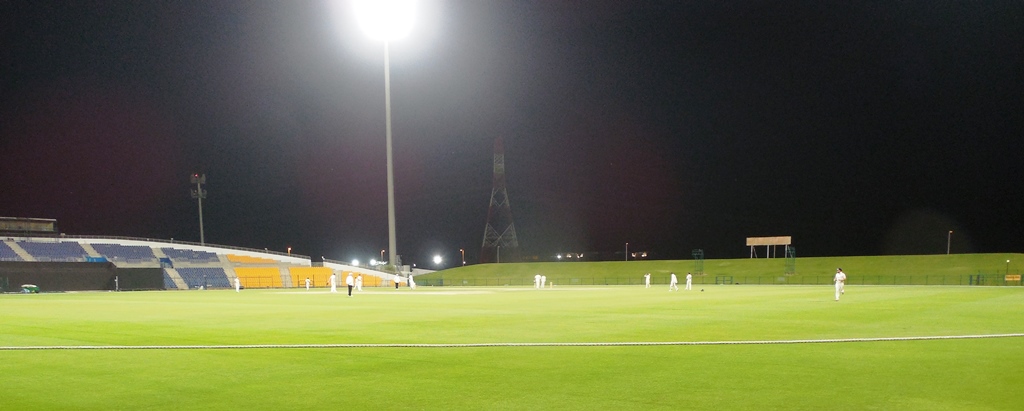
Newcomers to cricket are often puzzled to learn that the same sport is played in three very different lengths, from a frantic evening's entertainment to a contest that can last five days and still end in a draw. Each format rewards different skills and produces a different kind of drama. Here is how they compare.
Test cricket: the long game
Test cricket is the oldest and, to many, the purest form of the game. A Test match is played over a maximum of five days, with each side usually batting twice. There is no limit on how many overs an innings can last; a team bats until it is bowled out or chooses to declare. Because of that, the format rewards patience, concentration and the ability to build an innings over hours rather than minutes.
A few features make Test cricket unique:
- The draw. If neither side can force a result in five days, the match is drawn. This means survival can be a legitimate goal: a team batting to save a match may bat for a whole day with no intention of winning, only of not losing.
- Conditions change. Over five days a pitch wears, cracks open and starts to help the spinners. Reading how a surface will behave on day five is a captain's art.
- The red ball. Test cricket is traditionally played with a red ball in white clothing, though day-night Tests with a pink ball have been added to draw evening crowds.
Test cricket is where reputations are made. A century scored over five hours against a top attack, or a five-wicket haul on an unhelpful pitch, carries a weight that shorter formats rarely match.
One-day internationals: the original limited-overs game
One-day internationals, or ODIs, gave cricket its first taste of guaranteed results. Each side bats once for a fixed number of overs — fifty — so a match finishes in a single long day. Suddenly a draw was off the table, every game produced a winner, and batting tactics changed completely.
Because the overs are limited, batters cannot simply occupy the crease; they must score at a healthy rate while not losing too many wickets too soon. The classic one-day innings has a shape: a watchful start, consolidation through the middle overs, and an explosive acceleration at the death. Fielding restrictions, which limit how many fielders can patrol the boundary at different stages, add another layer of tactics.
The fifty-over game is also the format of the men's and women's World Cups, the tournaments that have produced some of the sport's most famous moments. It sits in the middle of the three formats in every sense: longer and more strategic than Twenty20, faster and more decisive than a Test.
Twenty20: cricket at full speed
Twenty20, usually written T20, is the youngest format and the one that has transformed the sport commercially. Each side faces just twenty overs, so a match is over in about three hours — perfect for an evening after work. The shortness of the innings changes everything.
In T20, almost every ball is an event. Batters look to score from the first delivery, accepting the risk of getting out because there is simply no time to play themselves in. Bowlers develop a bag of variations — slower balls, wide yorkers, clever changes of pace — to deny batters the room to swing. Captains rotate their bowlers in single overs and set aggressive, unusual fields. Fitness in the field matters enormously, because a single saved or conceded boundary can swing a tight game.
T20 is the engine of the franchise leagues, the Indian Premier League chief among them, where the format's pace and star power draw enormous crowds and television audiences. It has also fed back into the longer formats, making batters in Tests and ODIs more adventurous than they were a generation ago.
Which format is "best"?
There is no right answer, and most fans love different formats for different reasons. Test cricket offers depth and a slow-burning tension that the short formats cannot. ODIs balance strategy and excitement over a single day. T20 delivers instant, boundary-laden thrills. Many of the greatest players are prized precisely because they can switch between all three, adjusting their tempo and risk to suit the contest in front of them.
Understanding the three formats is the key to enjoying cricket fully. Once you know why a batter is blocking on the fifth evening of a Test, or why a bowler is firing in wide yorkers in the final over of a T20, the apparent slowness or chaos resolves into a clear and absorbing contest of tactics.
If you want to put a face to the names across all three formats, the Guess the Cricketer and Career Trail modes in crickedle cover players from Test, one-day and T20 cricket alike.
The age of the specialist
For most of cricket's history, players simply played cricket, and the same eleven might turn out in every format. The rise of Twenty20 and the franchise leagues has changed that. Today many players specialise: some build careers almost entirely in the short format, prized for power hitting or a clever slower ball, while others dedicate themselves to the patience and stamina of Test cricket. A handful of all-format greats remain, and they are valued all the more for their rarity.
This specialisation shapes how national squads are picked. Selectors now manage workloads carefully, resting fast bowlers from one format to keep them fresh for another, and they pick horses for courses — a dogged opener for a Test in seaming conditions, an explosive one for a T20 run chase. For fans, it means the same country can field strikingly different teams depending on the format, and that a player who looks ordinary in one version can be world-class in another. Knowing those distinctions is part of what makes following the modern game so rewarding. And it is why a true cricket fan learns to watch each format on its own terms, judging a dogged Test fifty and a thirty-ball blitz as two different kinds of excellence rather than measuring one against the other.
One sport, three clocks
What really separates the formats is time, and time changes everything. Test cricket gives each side two innings across five days, so the currency is patience: a batter can leave twenty balls, wait for the bad one, and build an innings over hours. Bowlers set fields for the mistake rather than the run. One-day cricket compresses the contest into fifty overs a side, forcing batters to balance survival against a required rate. Twenty20 removes the survival part almost entirely — with only twenty overs, nearly every ball is an attacking opportunity, and dot balls become the bowler's main weapon.
How strategy shifts with the format
In Tests, field placings are attacking — slips, gully, short leg — because taking twenty wickets is the only way to win. In ODIs, the field is a compromise between attack and containment, tightened during the powerplay and spread when batters are set. In T20, the whole plan is built around the powerplay and the death: score fast while the field is up, then survive the middle-over squeeze and explode again in the last five. Bowlers who thrive in one format can struggle in another, which is why many international players now specialise rather than trying to master all three.
Which format should you watch first?
If you are new to cricket, T20 is the friendliest way in: a match lasts about three hours, the action is constant, and the result is rarely in doubt for long. ODIs offer a fuller story — the ebb and flow of an innings, the tension of a chase — in a single day. Test cricket asks the most of a viewer but rewards it the most too, with momentum swinging across sessions and a five-day narrative no other sport can match. In crickedle, players from all three formats share the same pool, so a franchise T20 specialist and a Test-match great can both turn up as the daily answer — one more reason it pays to follow the whole game.
The numbers that separate them
The clearest way to feel the difference between the formats is in their tempo. A Test batter might face a couple of hundred balls for a century over the better part of a day; a T20 opener may try to make a similar score in barely a third of the deliveries. Scoring rates tell the same story: a run rate that would be excellent in a Test is barely par in an ODI and slow in a T20. Because of that, the same shot means different things in each format — a risky slog that is reckless on day one of a Test is simply good business in the final over of a T20.
Bowling economy flips in the same way. A bowler going at three runs an over is expensive in a Test and outstanding in a T20. Wickets, meanwhile, are the currency of the long game and often a bonus in the short one, where simply denying runs can win a match. Understanding those shifting values is the key to reading any cricket scoreboard correctly.
Records that live in one format
Because the formats ask such different questions, they keep separate record books, and a legend in one may be only very good in another. Some of the sport's greatest Test batters were never quite as devastating in T20; some of the most feared T20 hitters have modest Test records. That is not a flaw but the point — cricket is really three related sports sharing a pitch, a ball and a set of Laws. It is also why a game like crickedle can draw on such a deep and varied pool of players: a five-day master and a twenty-over specialist can both be the answer, and knowing which format made a player famous is often the clue that cracks the puzzle.
Fancy a challenge? crickedle is a free daily cricket guessing game with six modes — a new puzzle every day.
Play today's puzzle →